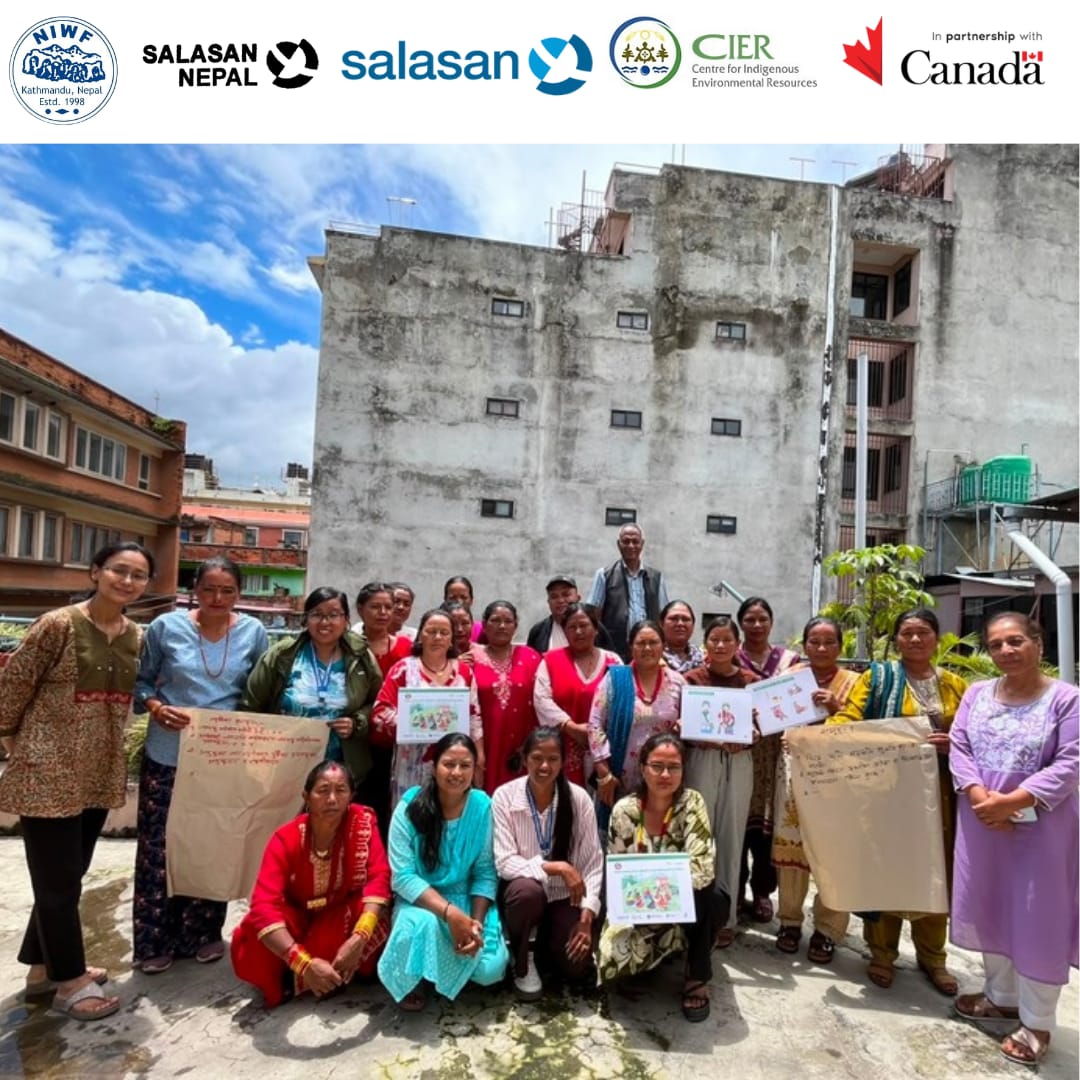
On 21 July 2026, SALASAN
Nepal, in partnership with the National Indigenous Women Forum (NIWF),
organized an orientation on the revised climate change flipchart for Indigenous
Women Climate Leaders from Bhumlu and Chaurideurali Rural
Municipalities of Kavrepalchok District. The orientation was organized in
Kathmandu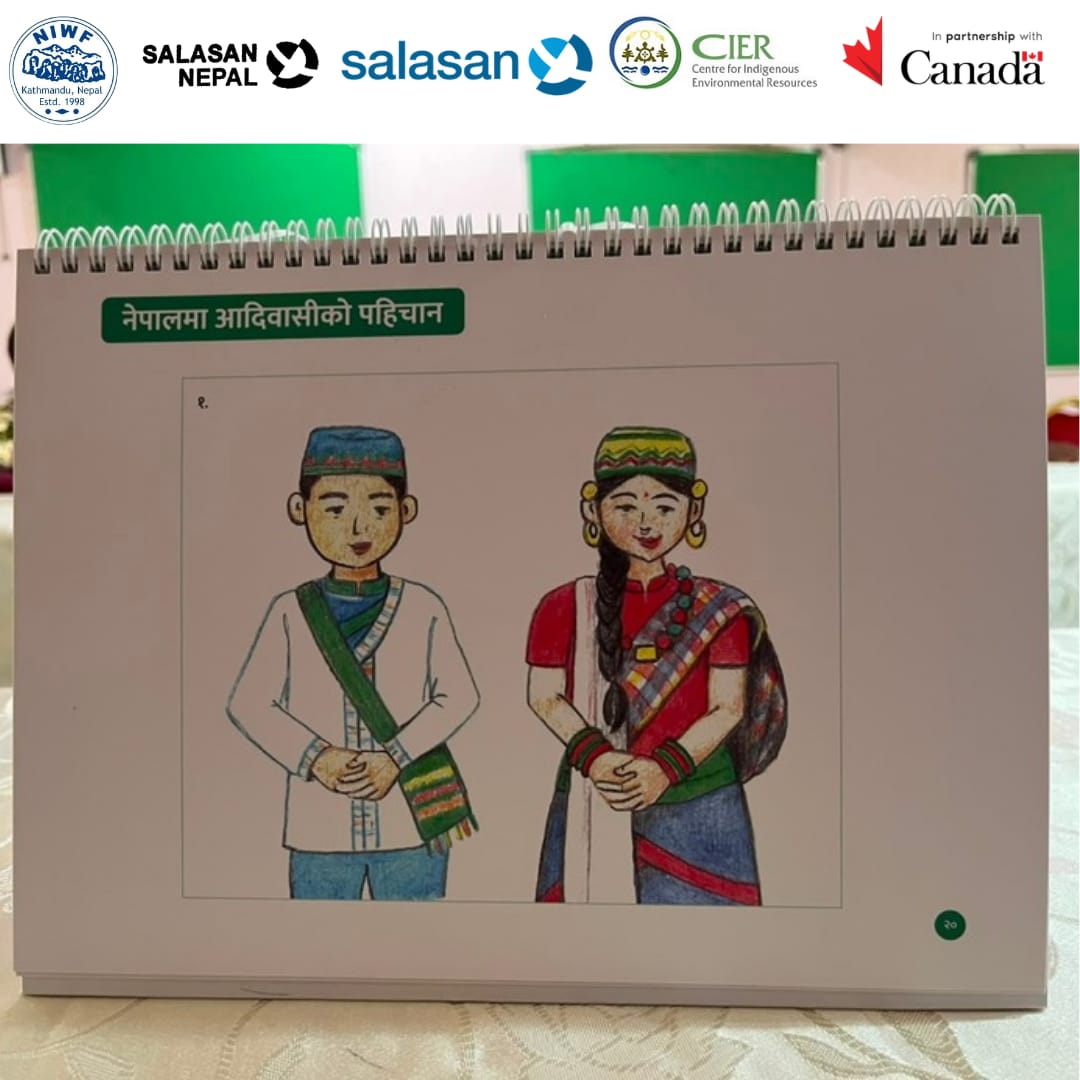
The flipchart was updated following
recommendations from Indigenous Women Group (IWG) leaders to make the content
more accessible, practical, and responsive to local realities. The revised
version simplifies technical information through clear illustrations and
easy-to-understand messages while incorporating new content on the gendered
impacts of climate change, Indigenous knowledge systems, and locally relevant
adaptation practices.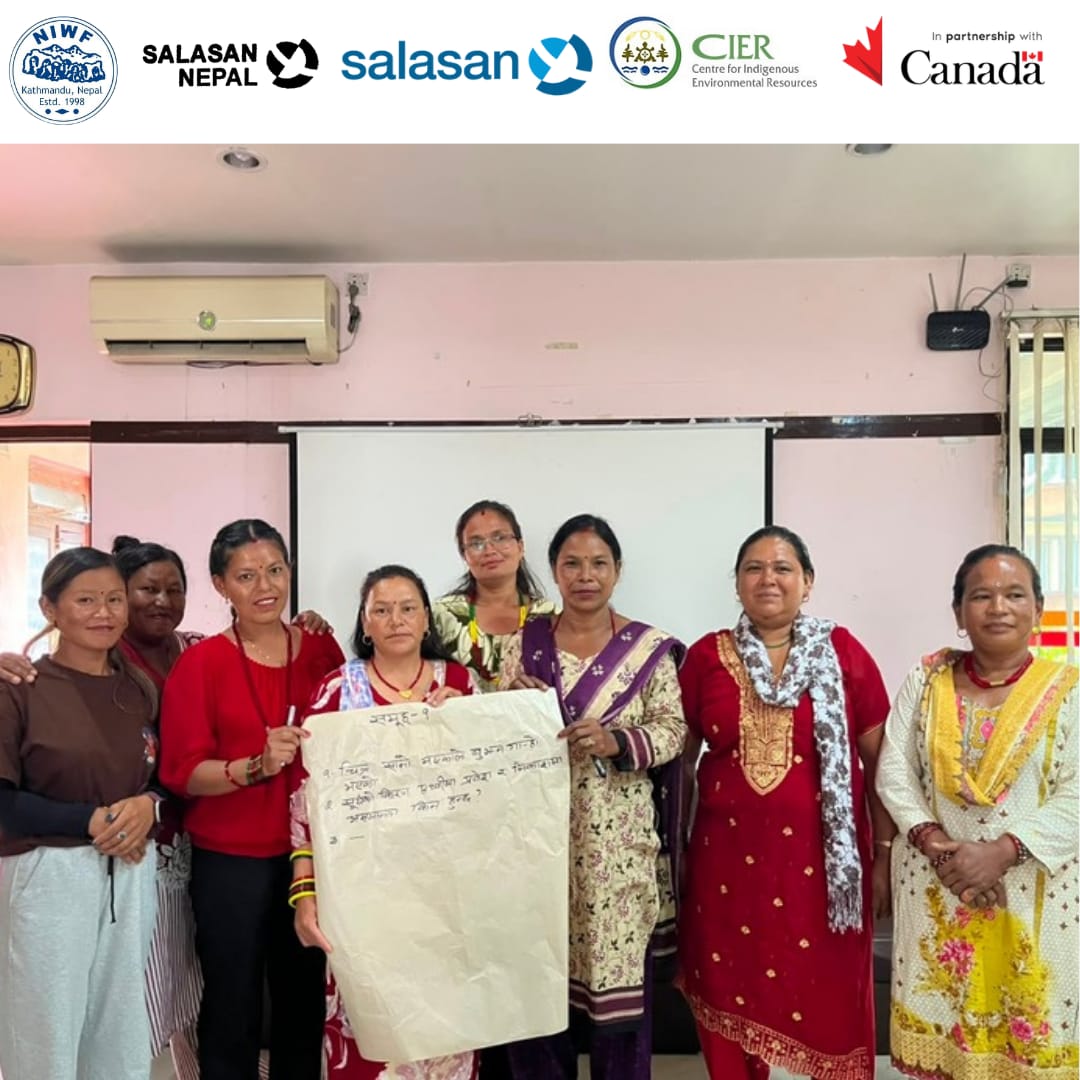
Although the orientation coincided
with the peak plantation season, 16 of the 26 Indigenous Women Climate
Leaders participated. To ensure continuity and expand local capacity,
climate groups nominated replacement participants from their respective groups,
resulting in 10 additional women leaders receiving training. This
approach strengthened the pool of local women equipped to promote gender
equality and climate change awareness within their communities.
The orientation was facilitated by Ms.
Banu Shrestha, consultant, using a participatory learning approach that
encouraged discussion, knowledge sharing, and practical reflection.
Participants actively exchanged experiences, shared Indigenous knowledge and
practices, and discussed locally led solutions to the climate challenges
affecting their communities.
The revised flipchart serves as a
practical resource covering climate change, its disproportionate impacts on
Indigenous women, and adaptation measures for everyday use.
It also includes dedicated sections on Indigenous culture, traditional
knowledge and practices, and strategies to sustain community-led climate
initiatives, strengthen climate groups, and continue the leadership of
Indigenous Women Climate Leaders beyond the project period.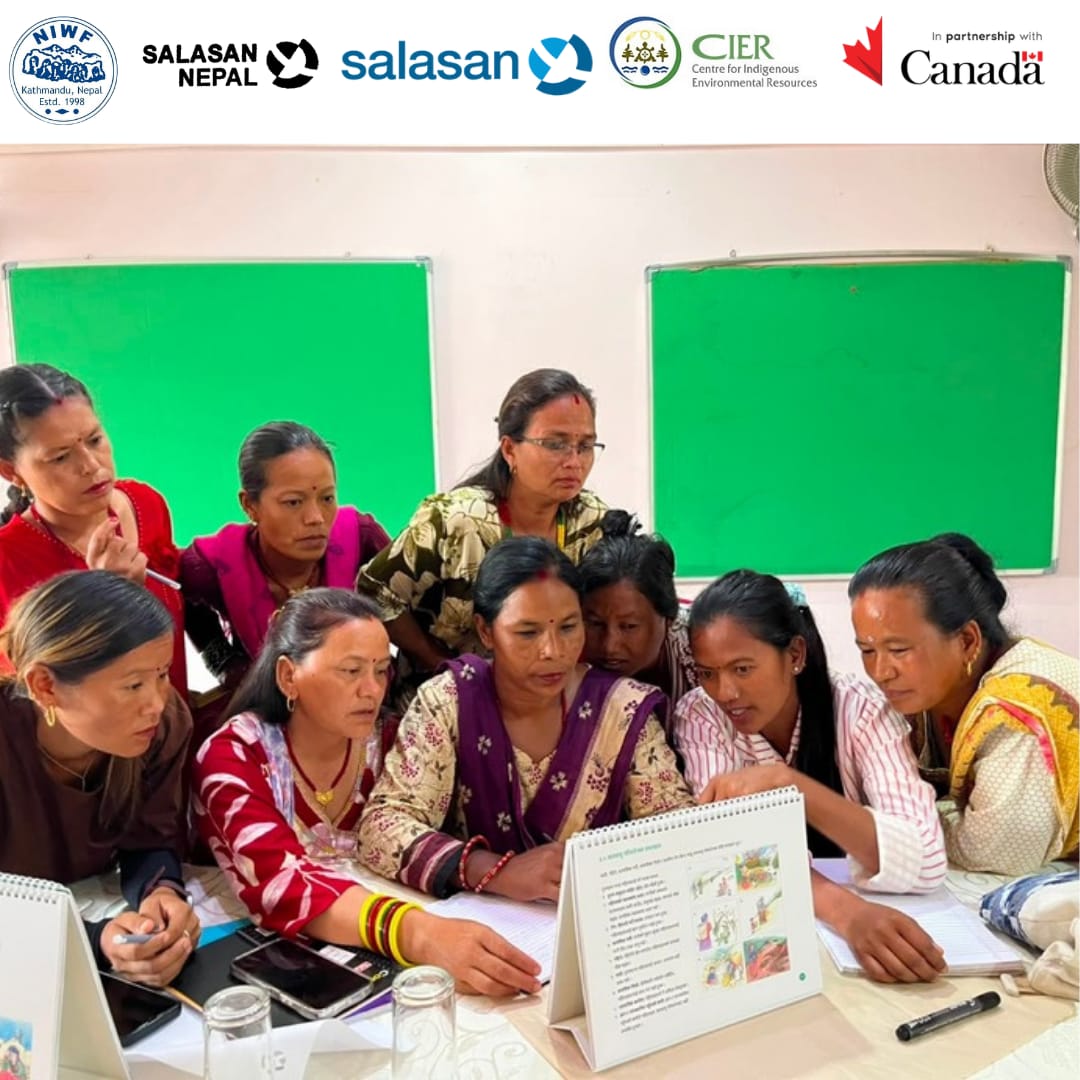
A key focus of the orientation was
sustainability. Participants discussed ways to strengthen collaboration with
local governments, advocate for the integration of climate actions into local
development and planning processes, and prepare proposals to access ward-level
budgets for community-led climate initiatives. These efforts are expected to
enhance local ownership and ensure the long-term continuation of climate
actions led by Indigenous women.
The orientation successfully
enhanced participants' knowledge, facilitation skills, and confidence to
conduct awareness sessions in their communities. By using the revised flipchart
as an interactive learning tool, Indigenous Women Climate Leaders are now
better prepared to reach more women and community members with practical
information on climate change, gender equality, and locally driven adaptation
solutions, contributing to more resilient and inclusive communities.