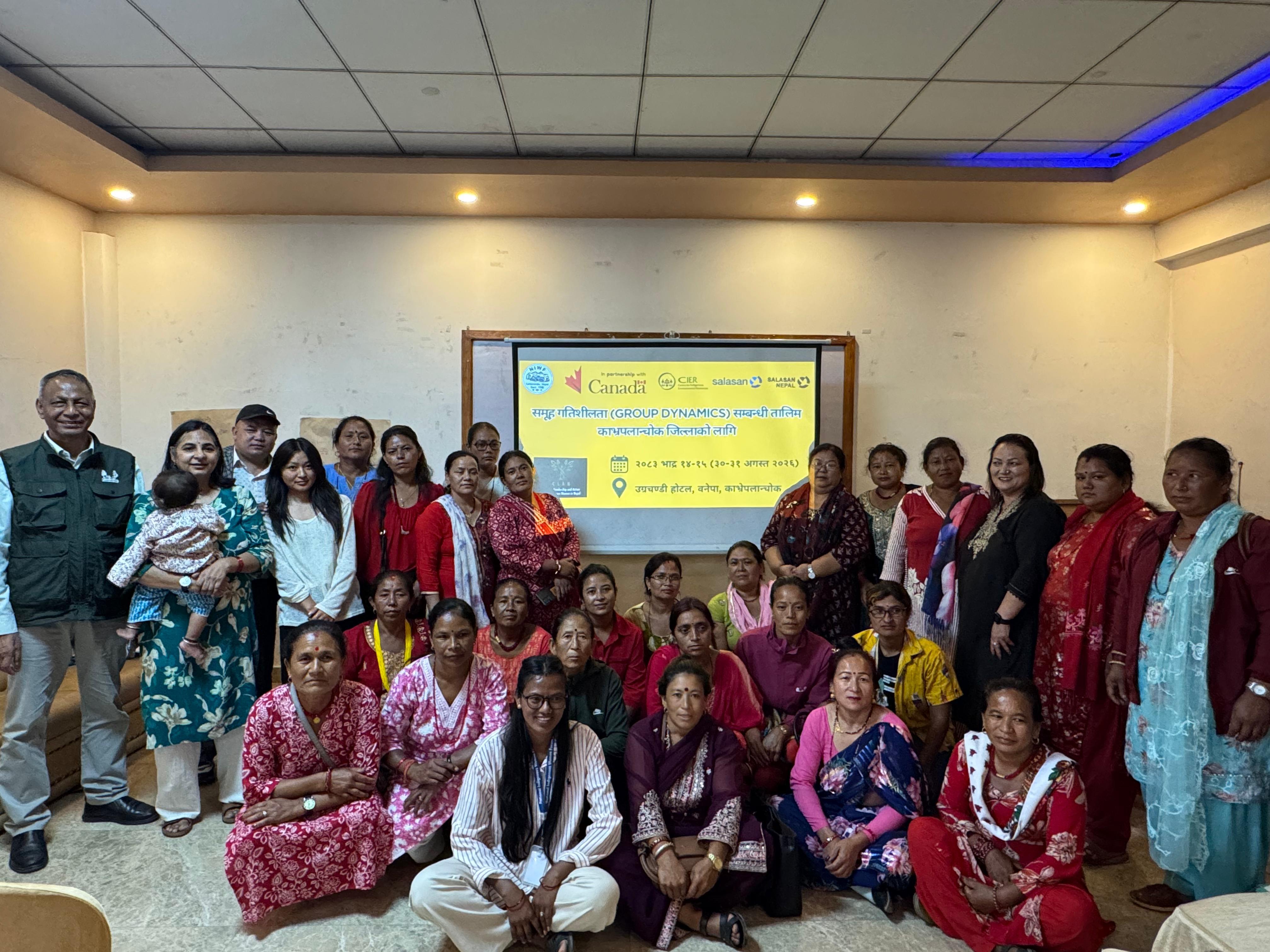
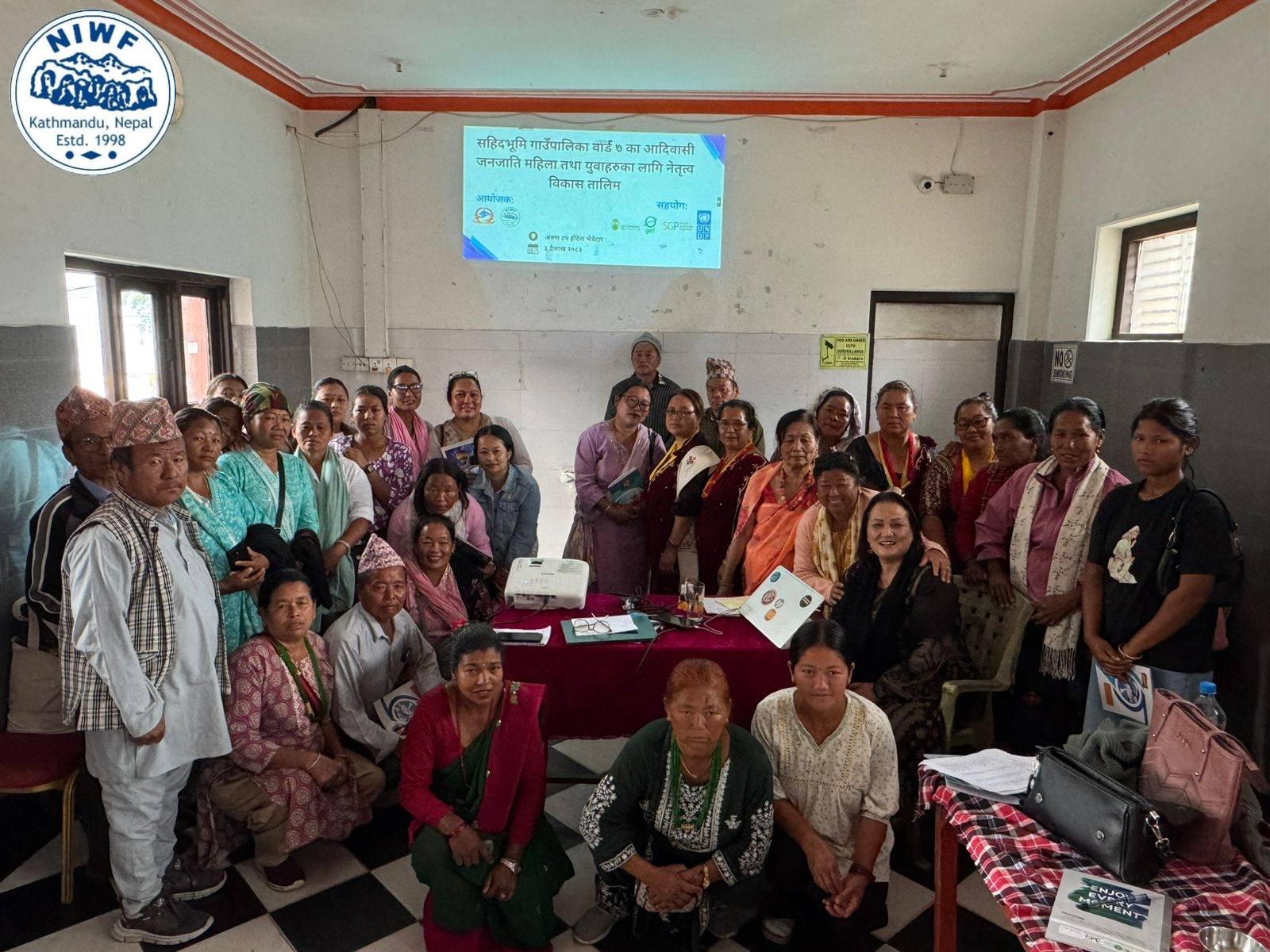
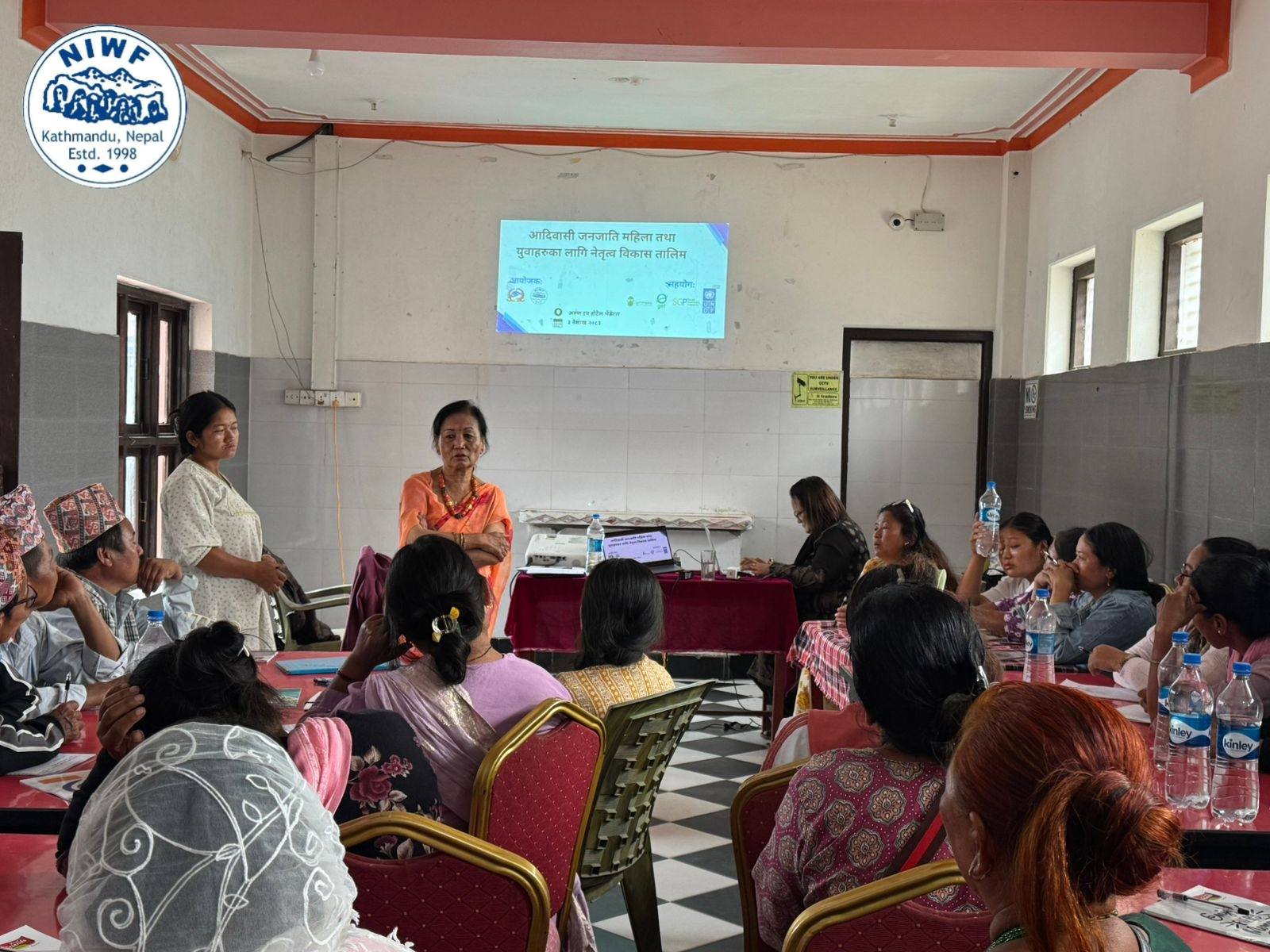
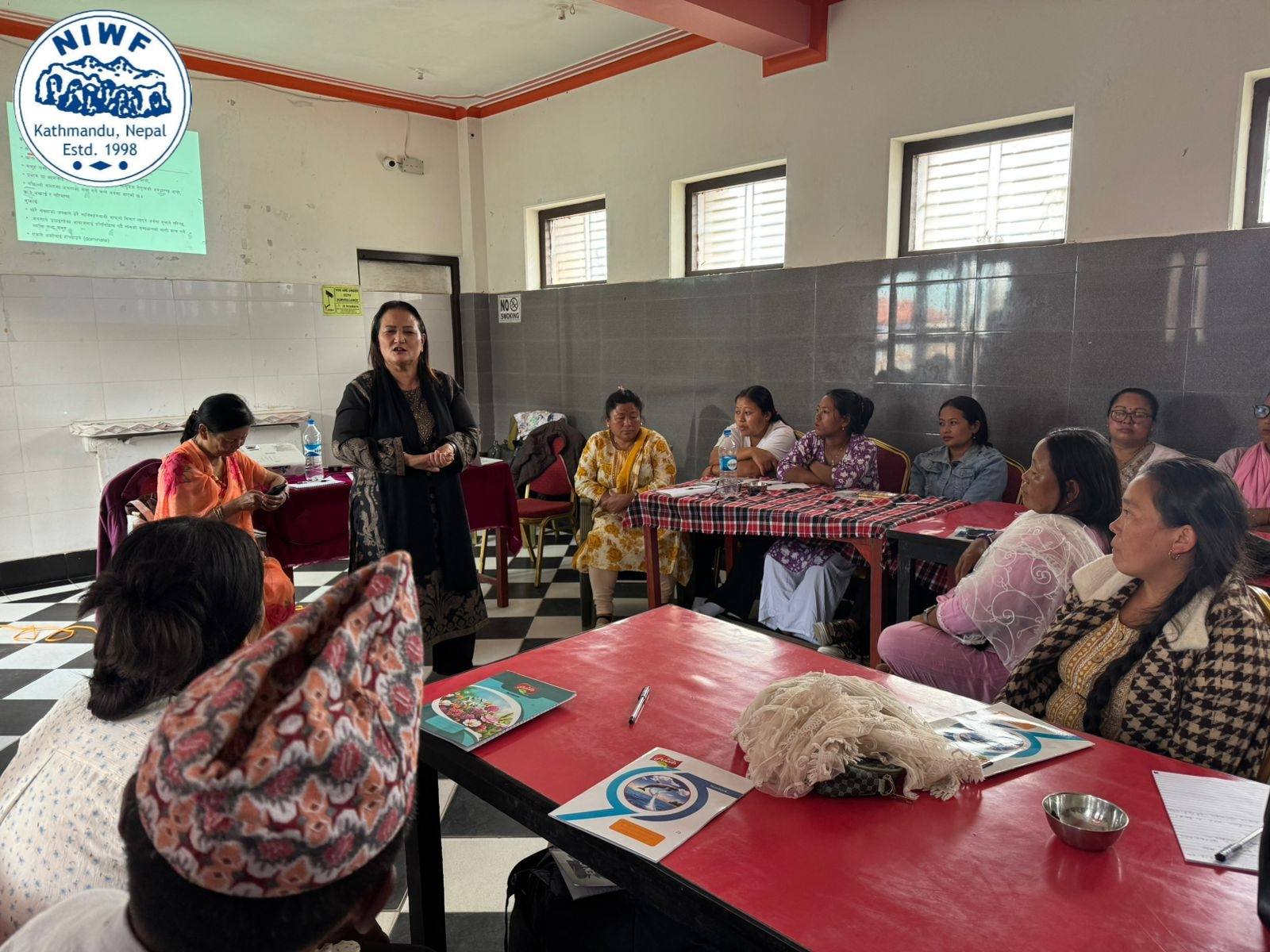
On 30 August 2026, SALASAN Nepal, in partnership with the National Indigenous Women Forum (NIWF), organized a Group Dynamics Training for Indigenous Women Climate Leaders from Bhumlu and Chaurideurali Rural Municipalities of Kavrepalanchok District. The training was held in Banepa as part of efforts to strengthen the leadership, collaboration, and collective action capacities of Indigenous women working on climate adaptation and Gender Equality issues.
The training focused on the importance of effective group dynamics in strengthening Indigenous Peoples’ climate groups and building inclusive, participatory, and resilient movements. Participants explored how effective communication, inclusive decision-making, constructive management of differences, and equitable sharing of roles and responsibilities can strengthen group cohesion, leadership, effectiveness, and sustainability.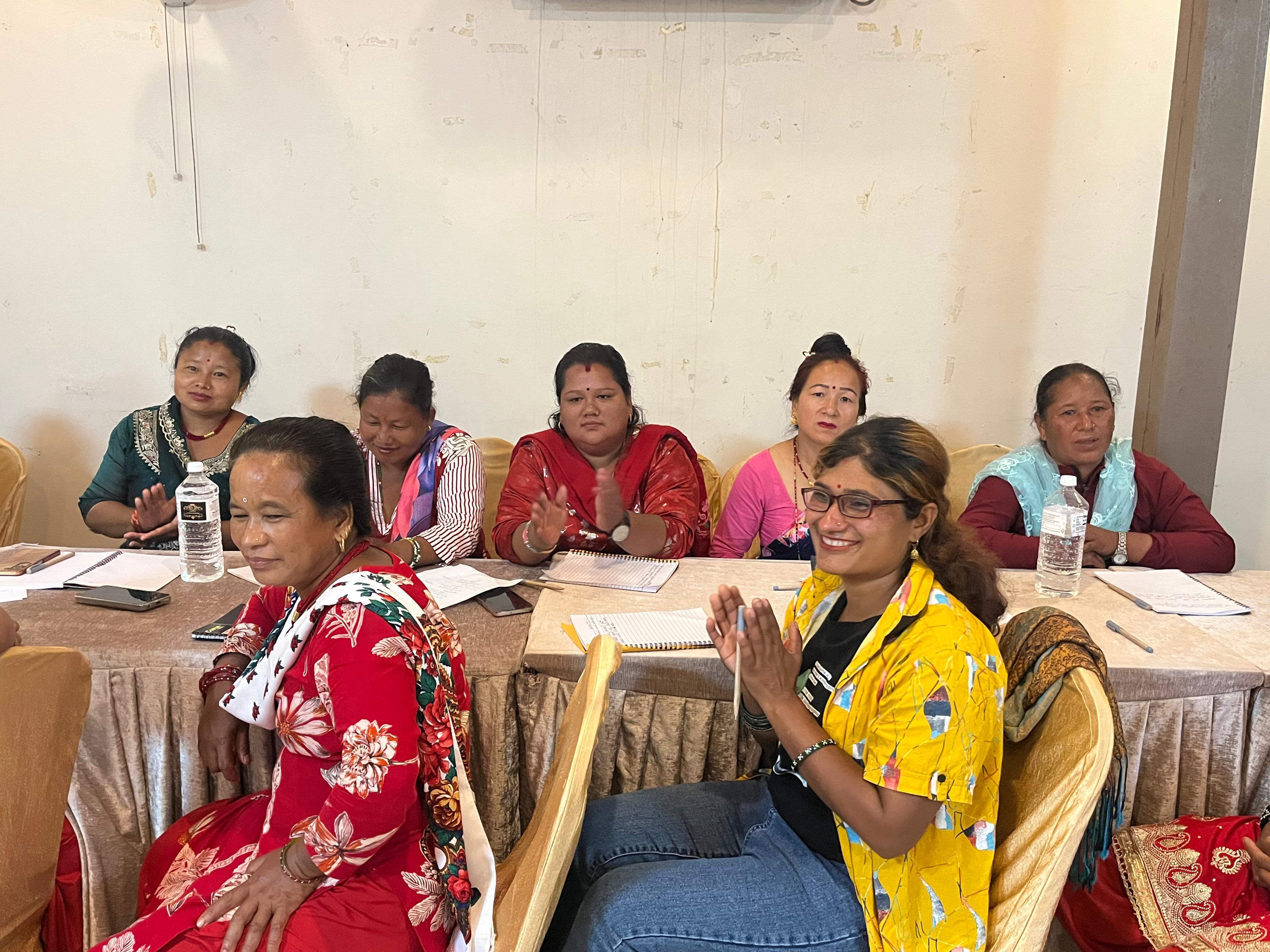
The sessions also highlighted the importance of gender equality, meaningful participation, and respect for diverse voices, particularly ensuring that women, youth, and other often-underrepresented members have opportunities to contribute to decision-making and leadership. Through interactive discussions, practical exercises, and peer learning, participants reflected on their own experiences of working in groups, identified challenges and opportunities, and explored practical approaches to building trust, solidarity, shared leadership, mutual support, and collective action for climate justice and the protection of Indigenous Peoples’ rights.
Key areas covered during the training included recognizing the signs of strong and weak group dynamics, enabling IWG leaders to better understand the factors that can strengthen or undermine collective action. Participants examined challenges such as poor communication, exclusion, unequal participation, unresolved conflicts, and lack of trust as indicators of weak group dynamics.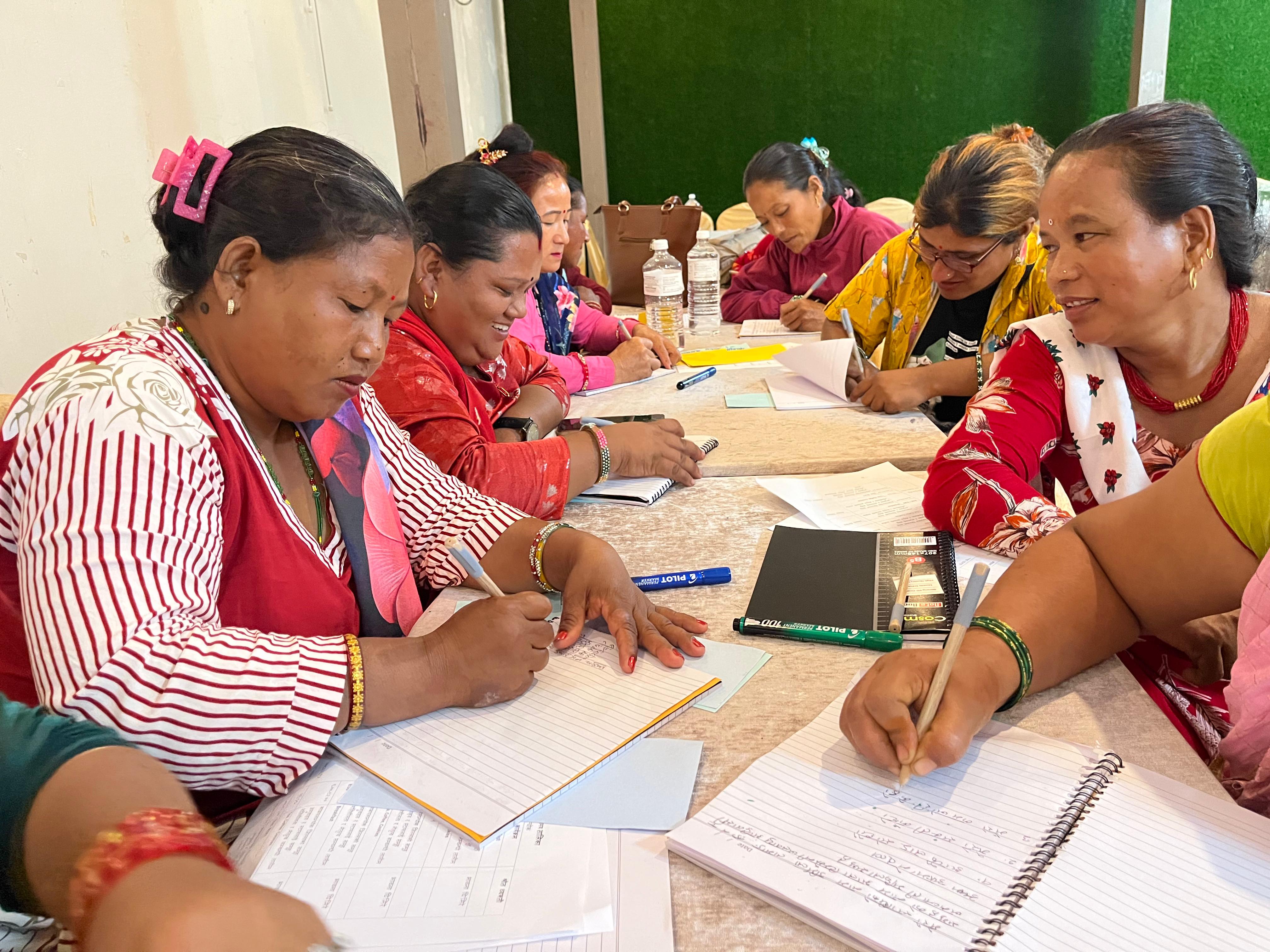
At the same time, participants explored the key characteristics of strong, inclusive, and effective groups, including open and respectful communication, mutual trust, shared responsibility, equitable participation, constructive conflict management, and a shared vision. The discussion emphasized that these elements are essential for building cohesive, empowered, and resilient IP climate groups capable of meaningful and sustained collective action.
The session also explored the qualities and practices of effective and ineffective leadership. Participants reflected on leadership approaches that promote meaningful participation, inclusion, and empowerment, as well as those that may contribute to dependency, exclusion, unequal decision-making, or conflict within a group.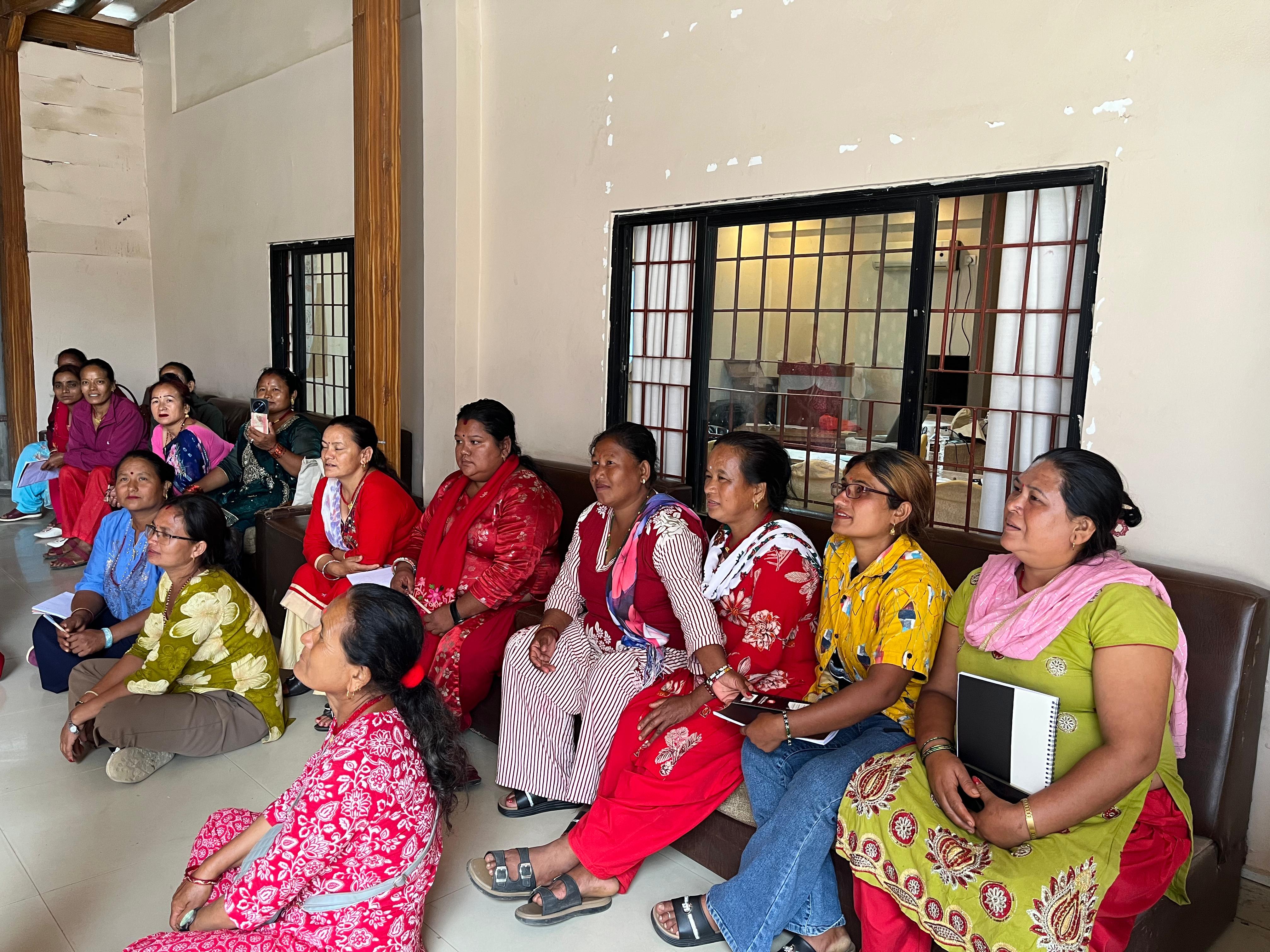
The discussion emphasized that effective leadership is not about authority or control, but about enabling others to participate, contribute, and lead. Participants highlighted the importance of active listening, facilitation, empathy, motivation, trust-building, accountability, and creating opportunities for diverse voices—particularly women, youth, and other underrepresented members—to influence decisions and take on leadership roles. This approach supports stronger, more democratic, and resilient IP climate groups.
A key component of the training was democratic leadership, with particular attention to inclusive decision-making. Participants discussed how leaders can ensure that different voices are heard and that decisions are made through consultation, transparency, participation, and mutual respect. The session emphasized that effective leadership is not simply about taking charge, but about creating opportunities for others to contribute, share their perspectives, and take ownership of collective decisions. 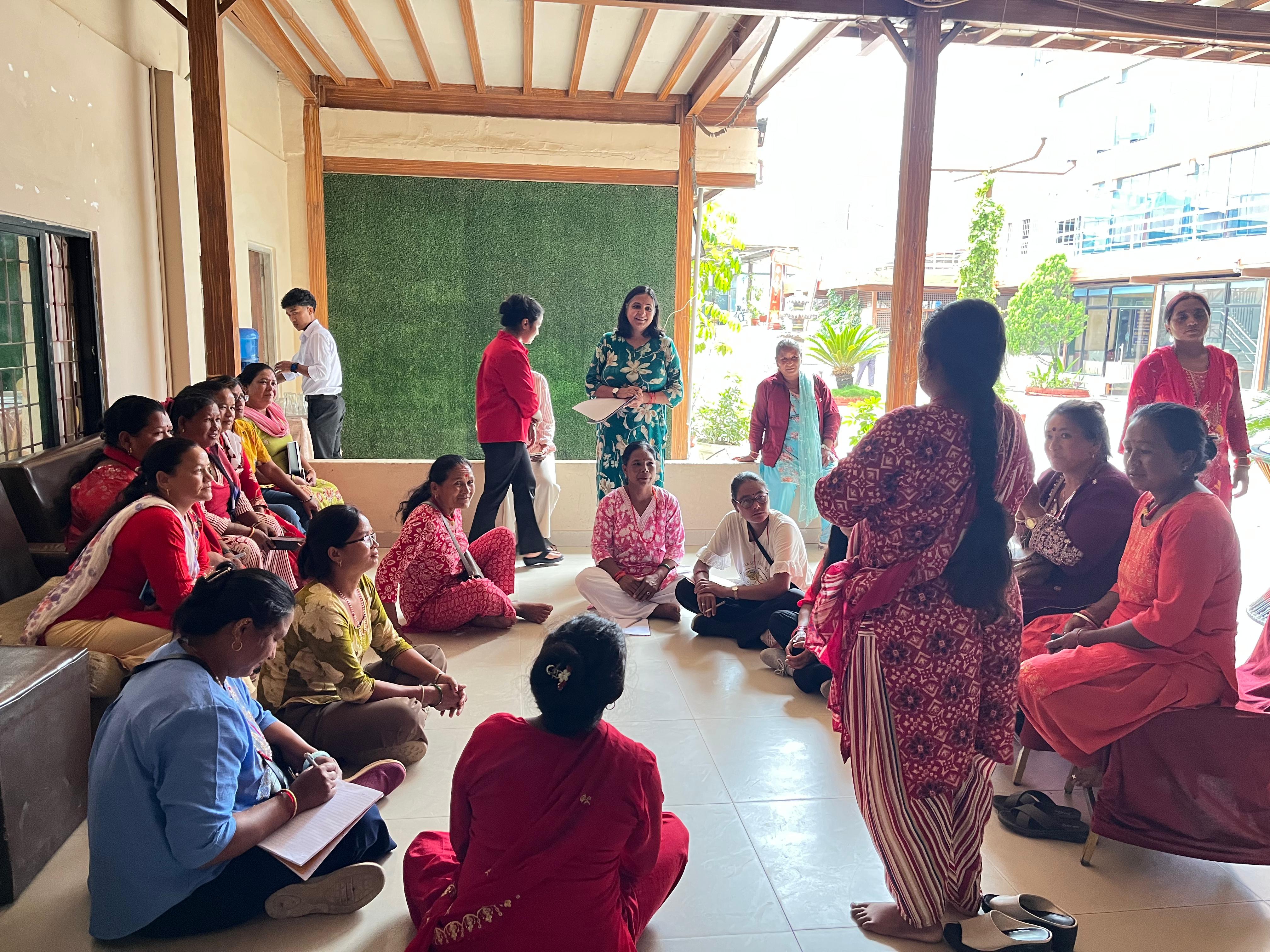
The training provided Indigenous women climate leaders with an opportunity to learn from one another, share their experiences, and strengthen their understanding of collective leadership. By developing stronger group dynamics and practicing democratic leadership, the participants are better positioned to mobilize their communities, collaborate effectively, and contribute to locally grounded and inclusive responses to climate change.
The initiative reflects the shared commitment of SALASAN Nepal and NIWF to strengthening the leadership and agency of Indigenous women and supporting them as active leaders in climate action and community development. Building the capacity of Indigenous women leaders is essential for ensuring that climate responses are inclusive, participatory, and grounded in the realities and knowledge of Indigenous communities.
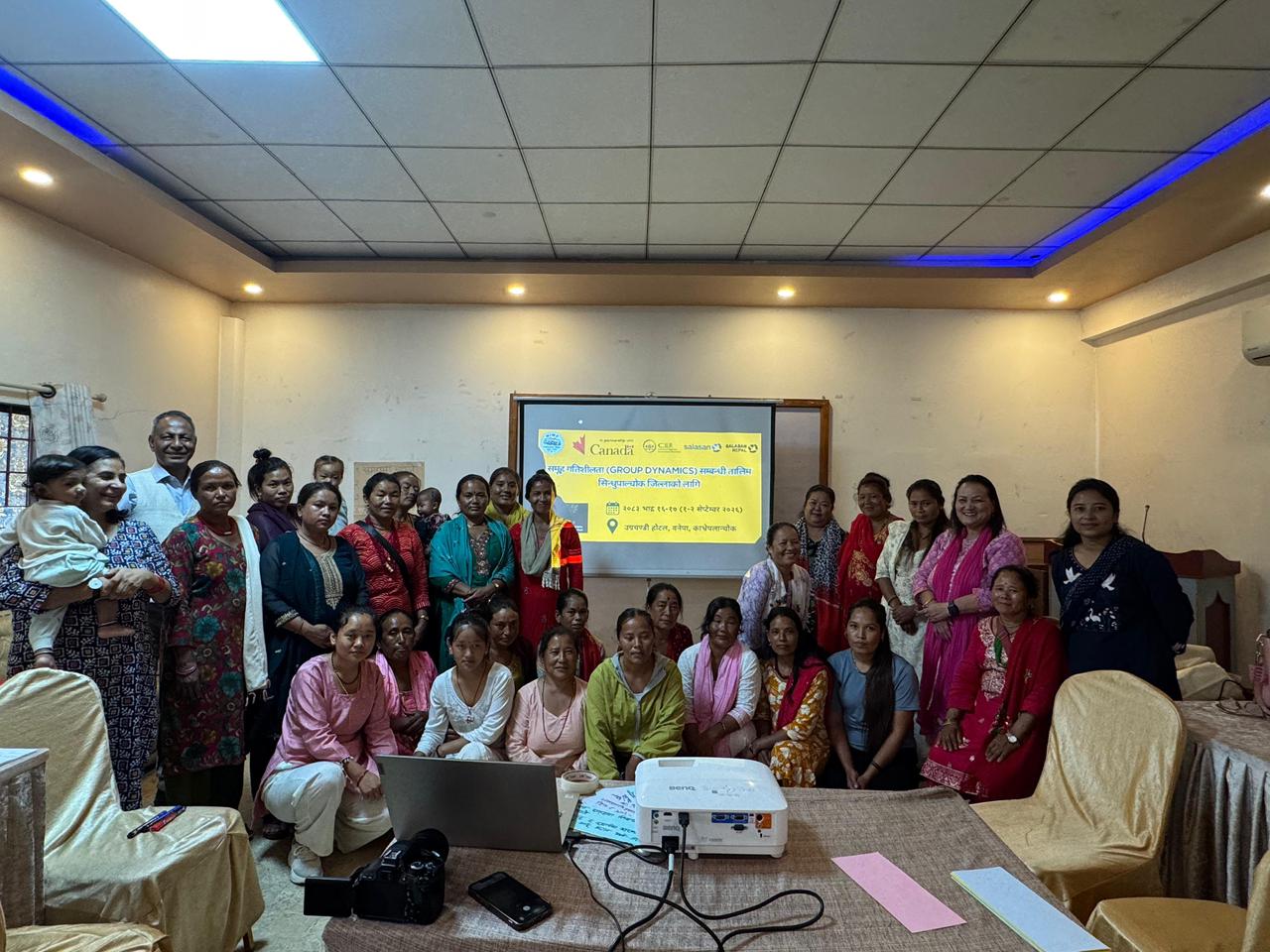
- On 1st September 2026, SALASAN Nepal, in partnership with the National Indigenous Women Forum (NIWF), organized a Group Dynamics Training in Banepa for Indigenous Women Climate Leaders and field staff from Indrawati and Balephi Rural Municipalities of Sindhupalchowk District. The session was facilitated by Ms. Bhawana Ghimire and focused on strengthening participants’ leadership capacities, teamwork, meaningful participation, and inclusive decision-making skills to support sustained and effective climate action.
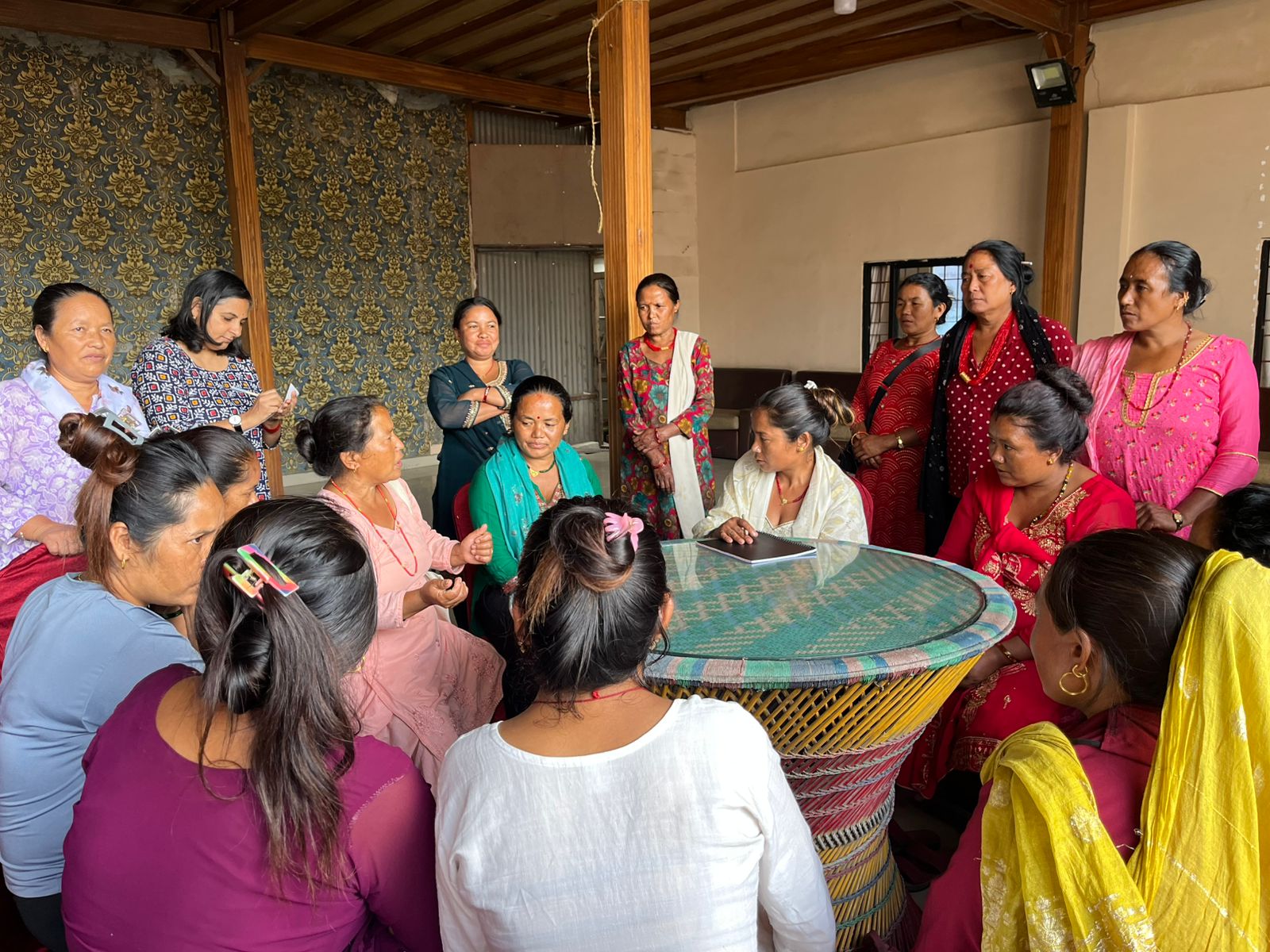
The session was formally opened by Ms. Suni Lama, Chairperson of NIWF, who highlighted NIWF’s role in the Climate Leadership and Action for Indigenous Women in Nepal (CLAN) initiative. She reaffirmed NIWF’s commitment to providing continued support to Indigenous women’s groups and strengthening their leadership, capacity, and collective action to advance climate initiatives and contribute to resilient and inclusive communities.
The Group Dynamics Training brought together Indigenous women climate leaders to strengthen their leadership, collaboration, and collective capacity to sustain their ongoing work for climate action and gender equality. The training provided a reflective and participatory space for climate leaders to explore how strong and inclusive groups can support effective leadership, collective action, and long-term engagement in their communities.
Through interactive discussions, group exercises, and experience sharing, participants explored the characteristics of strong and weak groups and identified key factors that contribute to effective group functioning, including trust, communication, cooperation, mutual respect, active participation, shared responsibility, and a common vision. These reflections helped participants recognize the importance of maintaining strong relationships and collective support to sustain their activities and leadership roles over time.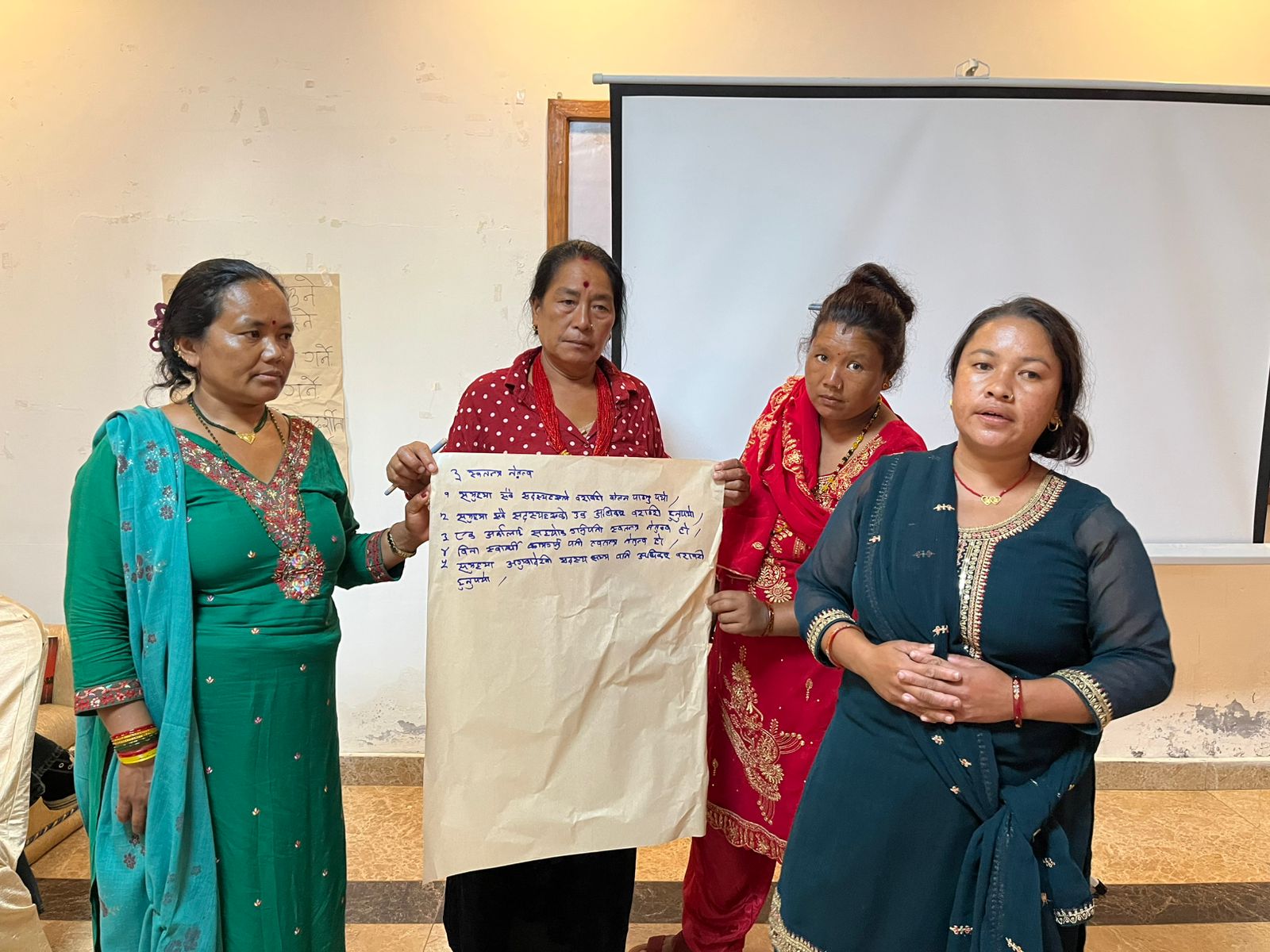
A key focus of the training was strengthening leadership capacities. Participants explored different leadership styles and discussed the qualities and practices of effective leaders. They reflected on their own leadership experiences, identified practices that can strengthen or hinder group participation, and considered practical ways to build confidence, communicate effectively, listen actively, manage differences, and encourage the leadership and participation of others.
The training also emphasized inclusive and participatory decision-making. Participants discussed how climate leaders can create safe and supportive spaces where diverse voices are heard and valued, responsibilities are shared, and decisions reflect the collective interests of the group and community. These practices are essential for building trust, strengthening ownership, and sustaining collective efforts for climate action.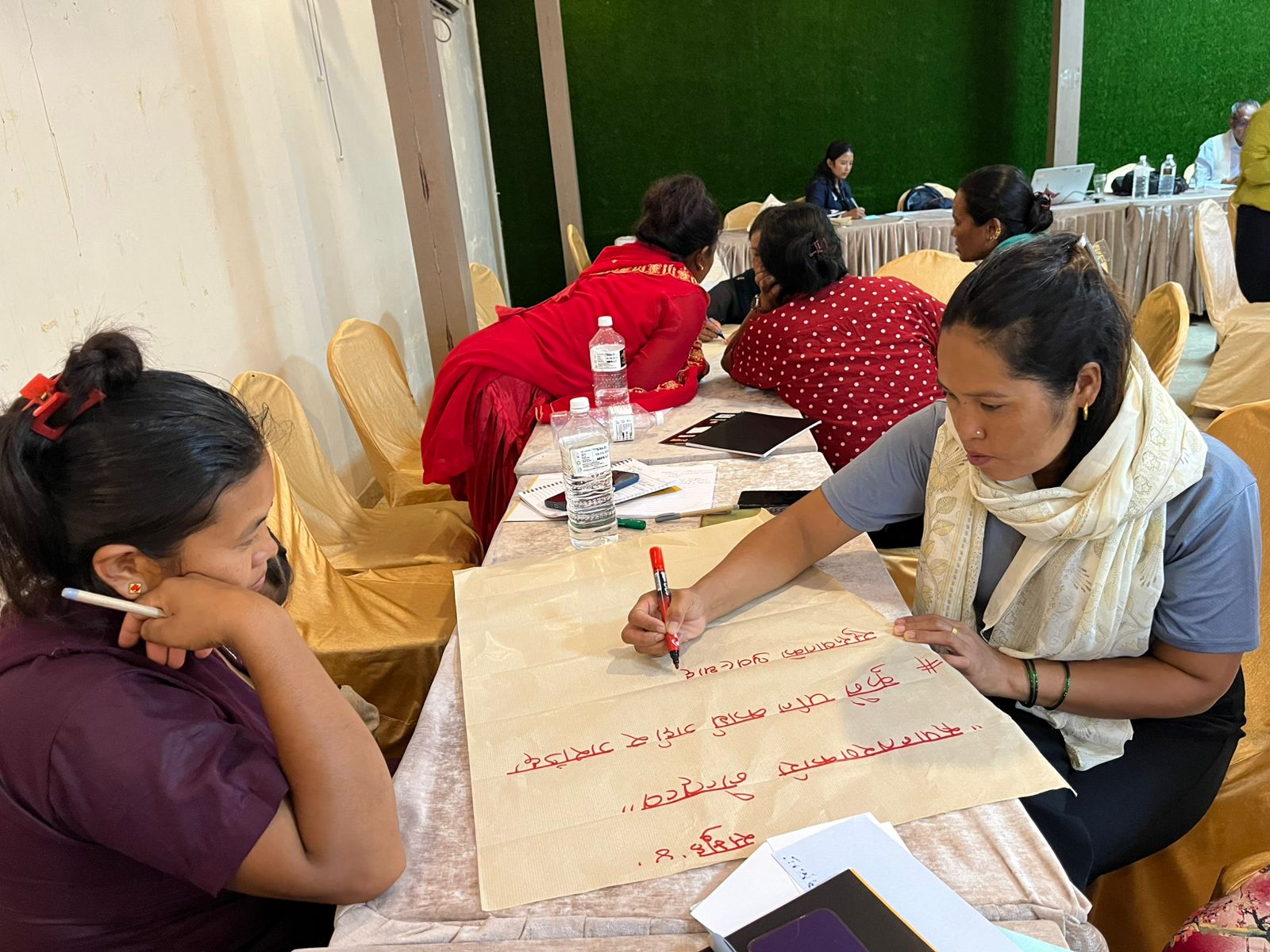
Through peer learning and practical group activities, participants identified ways to apply their learning within their own groups and communities. The training encouraged climate leaders to support one another, strengthen networks, address challenges collectively, and remain engaged in climate action beyond individual activities and initiatives.
The training ultimately aimed to reinforce Indigenous women climate leaders with the knowledge, confidence, and collaborative leadership skills needed to sustain their roles and activities as agents of change. By strengthening group dynamics and promoting inclusive leadership, the initiative contributes to building a stronger and more connected network of Indigenous women leaders working for climate justice, gender equality, resilient communities, and meaningful participation in local climate action.
The training is part of the continued efforts of SALASAN Nepal and NIWF under CLAN to strengthen the leadership and agency of Indigenous women and girls and support their meaningful participation in addressing climate change and advancing gender equality. Through continued capacity strengthening and collective action, the initiative seeks to ensure that Indigenous women climate leaders are better equipped to sustain their leadership and contribute to inclusive, resilient, and climate-responsive communities.
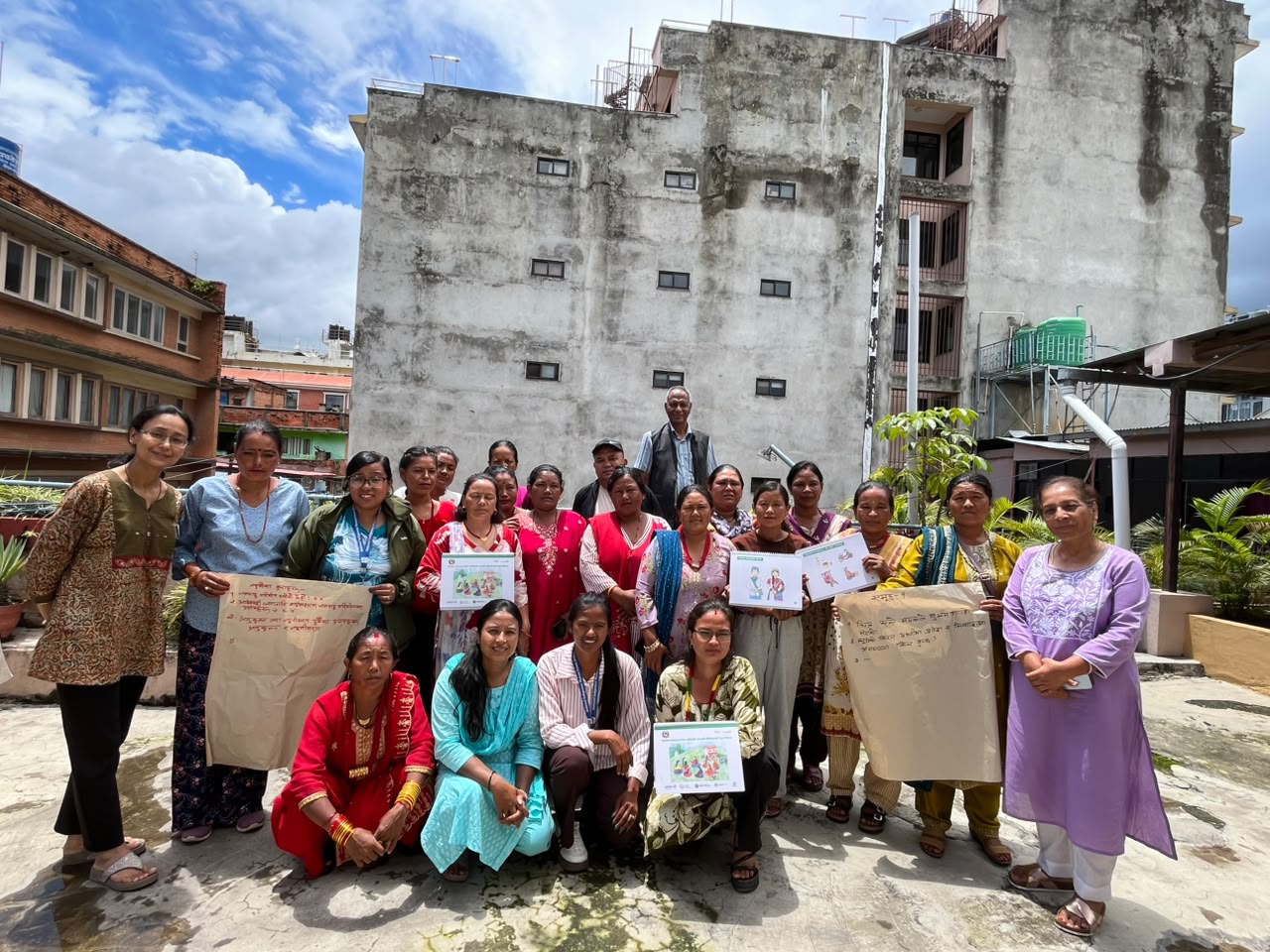
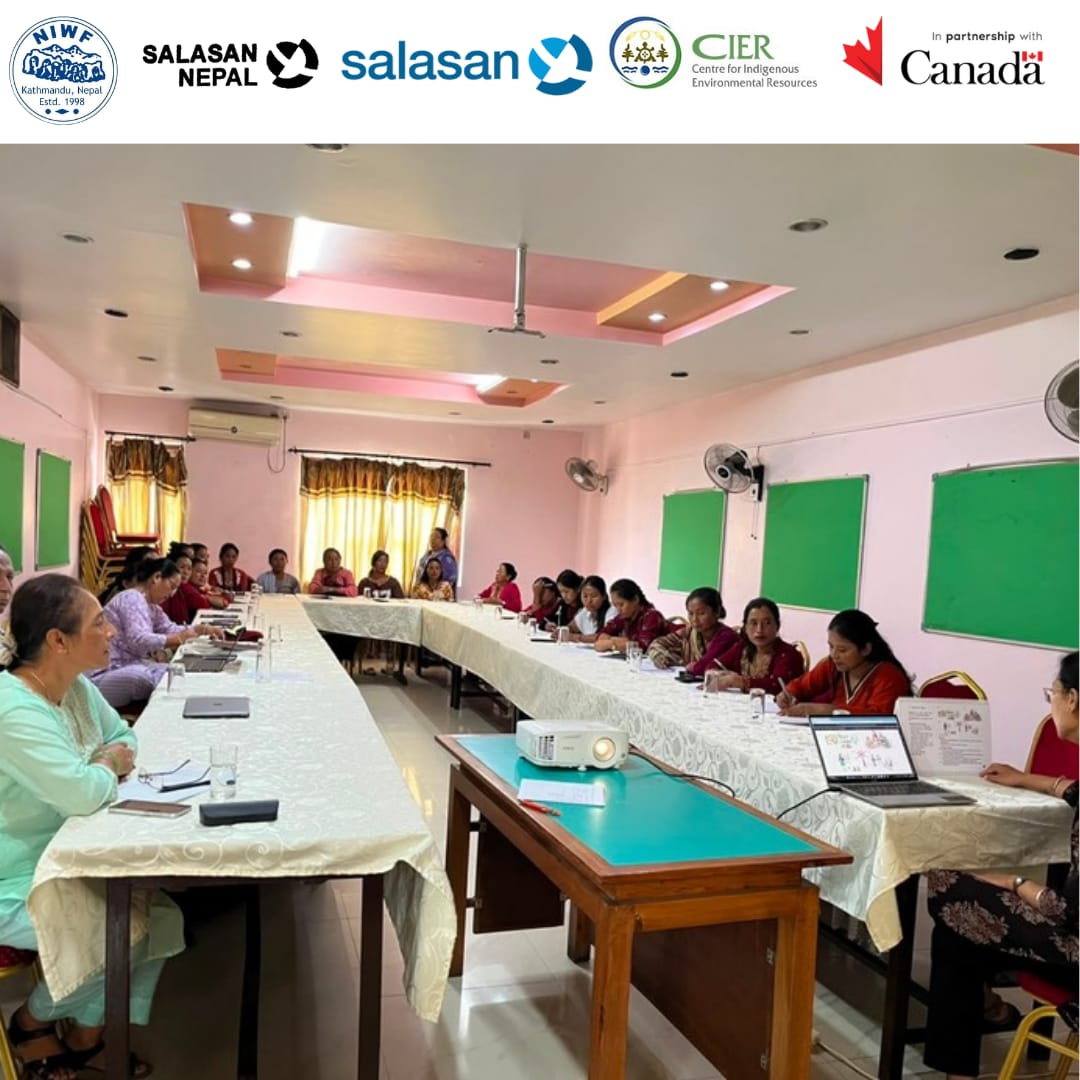
On 21 July 2026, SALASAN
Nepal, in partnership with the National Indigenous Women Forum (NIWF),
organized an orientation on the revised climate change flipchart for Indigenous
Women Climate Leaders from Bhumlu and Chaurideurali Rural
Municipalities of Kavrepalchok District. The orientation was organized in
Kathmandu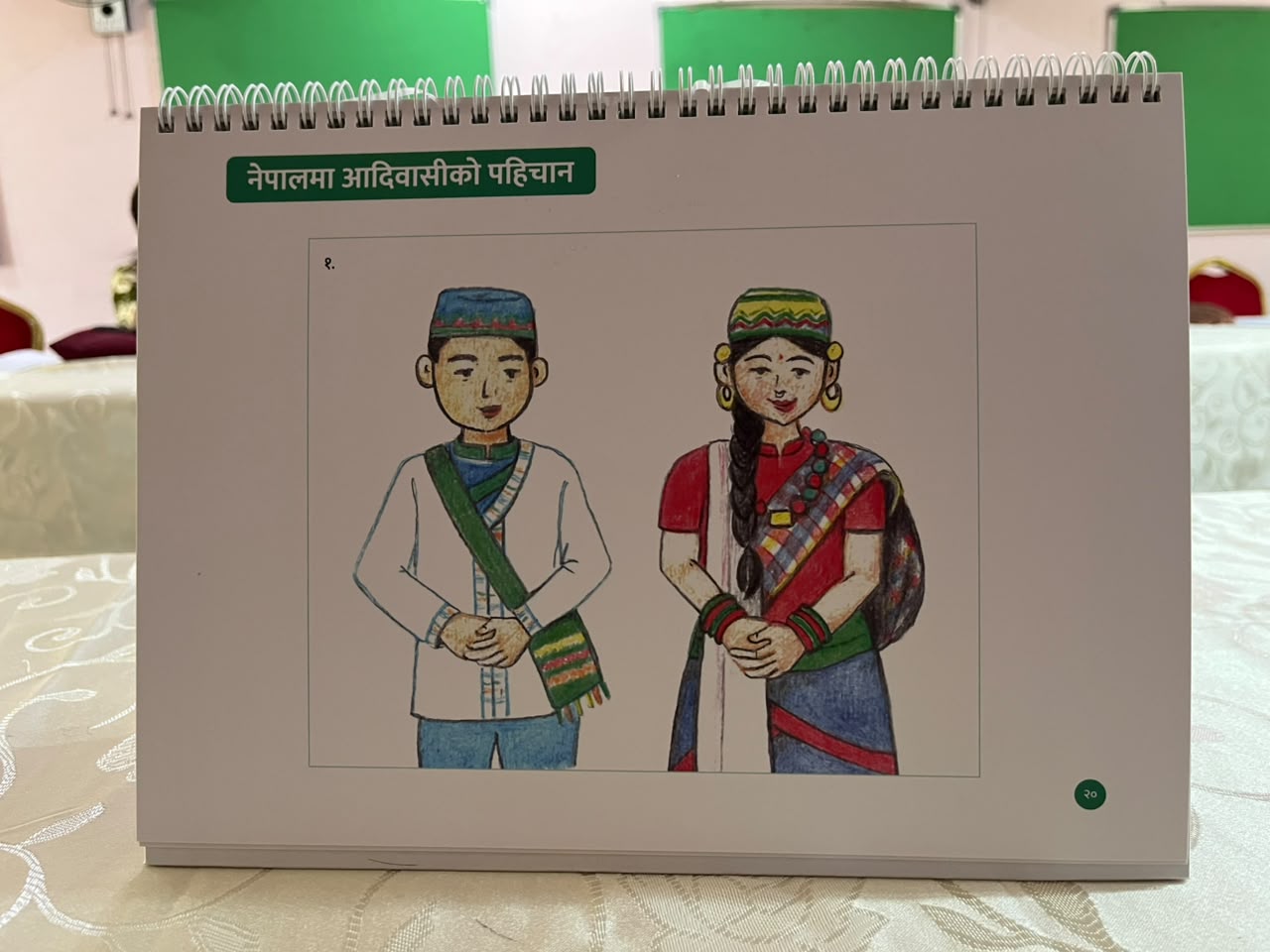
The flipchart was updated following
recommendations from Indigenous Women Group (IWG) leaders to make the content
more accessible, practical, and responsive to local realities. The revised
version simplifies technical information through clear illustrations and
easy-to-understand messages while incorporating new content on the gendered
impacts of climate change, Indigenous knowledge systems, and locally relevant
adaptation practices.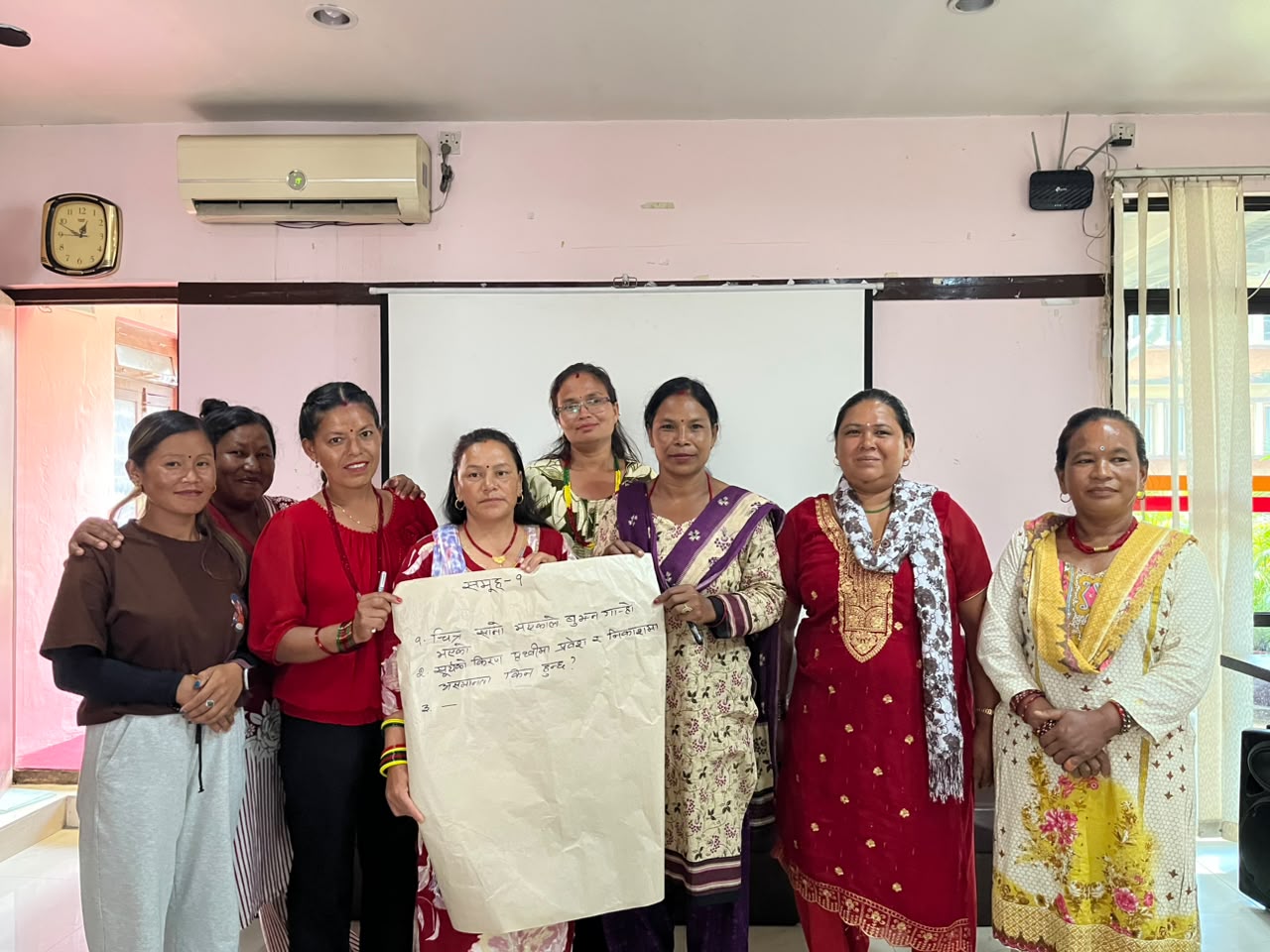
Although the orientation coincided
with the peak plantation season, 16 of the 26 Indigenous Women Climate
Leaders participated. To ensure continuity and expand local capacity,
climate groups nominated replacement participants from their respective groups,
resulting in 10 additional women leaders receiving training. This
approach strengthened the pool of local women equipped to promote gender
equality and climate change awareness within their communities.
The orientation was facilitated by Ms.
Banu Shrestha, consultant, using a participatory learning approach that
encouraged discussion, knowledge sharing, and practical reflection.
Participants actively exchanged experiences, shared Indigenous knowledge and
practices, and discussed locally led solutions to the climate challenges
affecting their communities.
The revised flipchart serves as a
practical resource covering climate change, its disproportionate impacts on
Indigenous women, and adaptation measures for everyday use.
It also includes dedicated sections on Indigenous culture, traditional
knowledge and practices, and strategies to sustain community-led climate
initiatives, strengthen climate groups, and continue the leadership of
Indigenous Women Climate Leaders beyond the project period.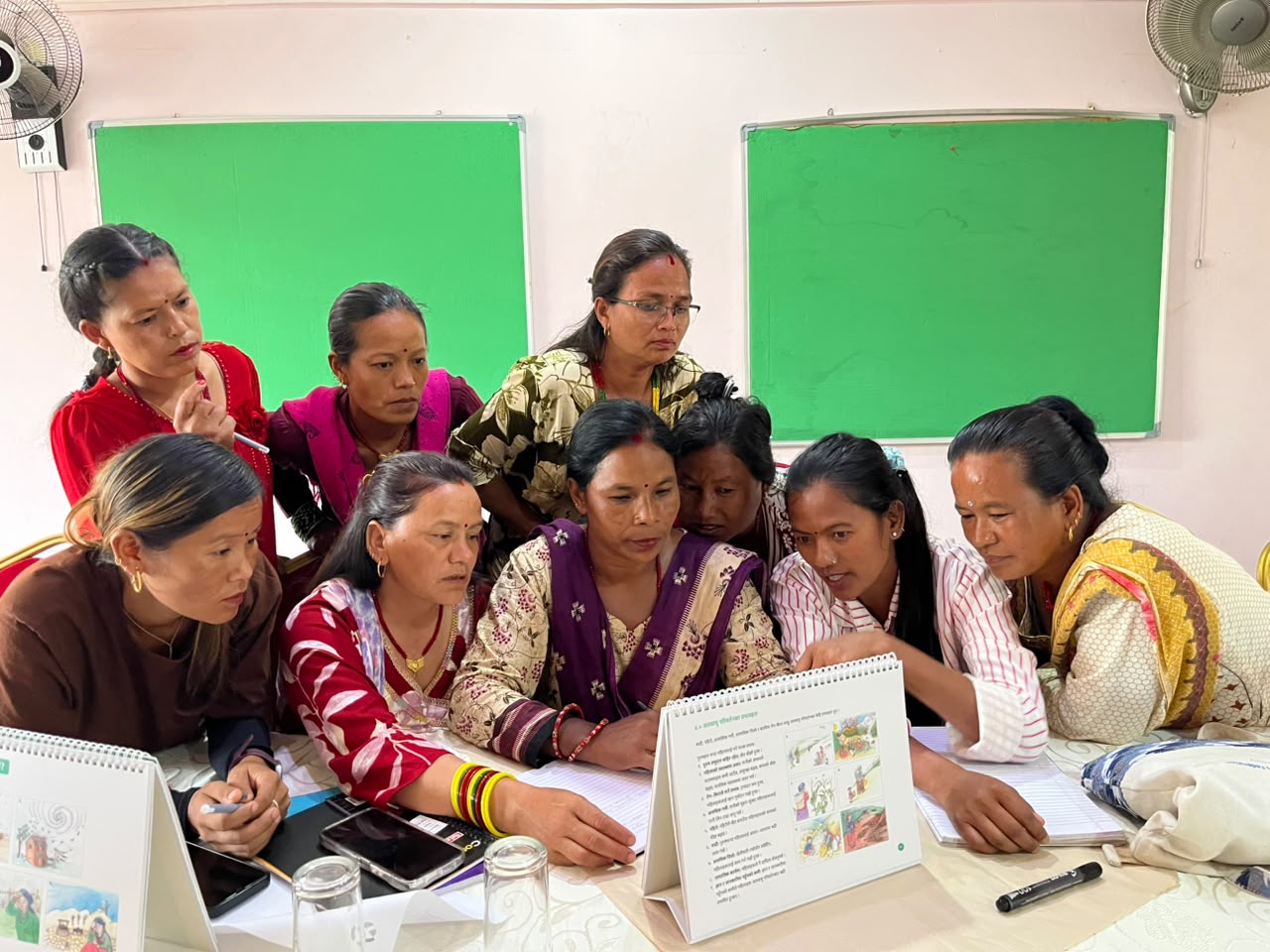
A key focus of the orientation was
sustainability. Participants discussed ways to strengthen collaboration with
local governments, advocate for the integration of climate actions into local
development and planning processes, and prepare proposals to access ward-level
budgets for community-led climate initiatives. These efforts are expected to
enhance local ownership and ensure the long-term continuation of climate
actions led by Indigenous women.
The orientation successfully
enhanced participants' knowledge, facilitation skills, and confidence to
conduct awareness sessions in their communities. By using the revised flipchart
as an interactive learning tool, Indigenous Women Climate Leaders are now
better prepared to reach more women and community members with practical
information on climate change, gender equality, and locally driven adaptation
solutions, contributing to more resilient and inclusive communities.
On 20 July 2026, for
Indigenous women climate leaders (IWG ) from Balephi and Indrawati Rural
Municipalities in Sindhupalchowk District. Facilitated by climate change
consultant Ms. Banu Shrestha, the training brought together 24 representatives
from 12 Indigenous women climate groups. The event enhanced participants'
knowledge of climate change and strengthened their capacity to facilitate
community awareness using the revised flipchart.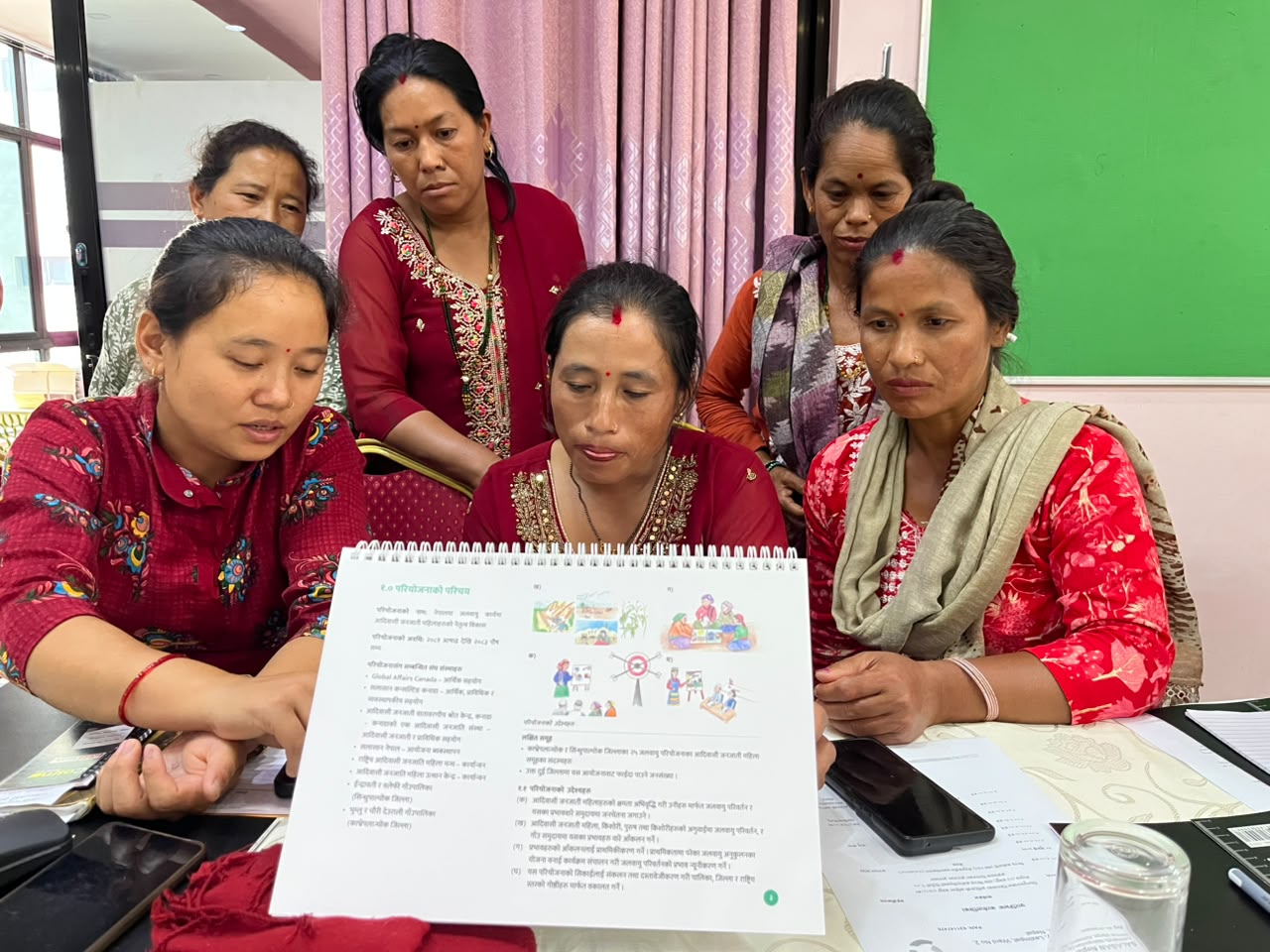
The revised flipchart is
designed to strengthen the capacity of Indigenous Women's Group (IWG) leaders
to effectively facilitate community learning and advocate for gender equality
and climate resilience within their communities.
Orientation
on the revised flipchart and the interactive sessions strengthened participants'
knowledge of climate change, its impacts, and practical adaptation and
mitigation measures. 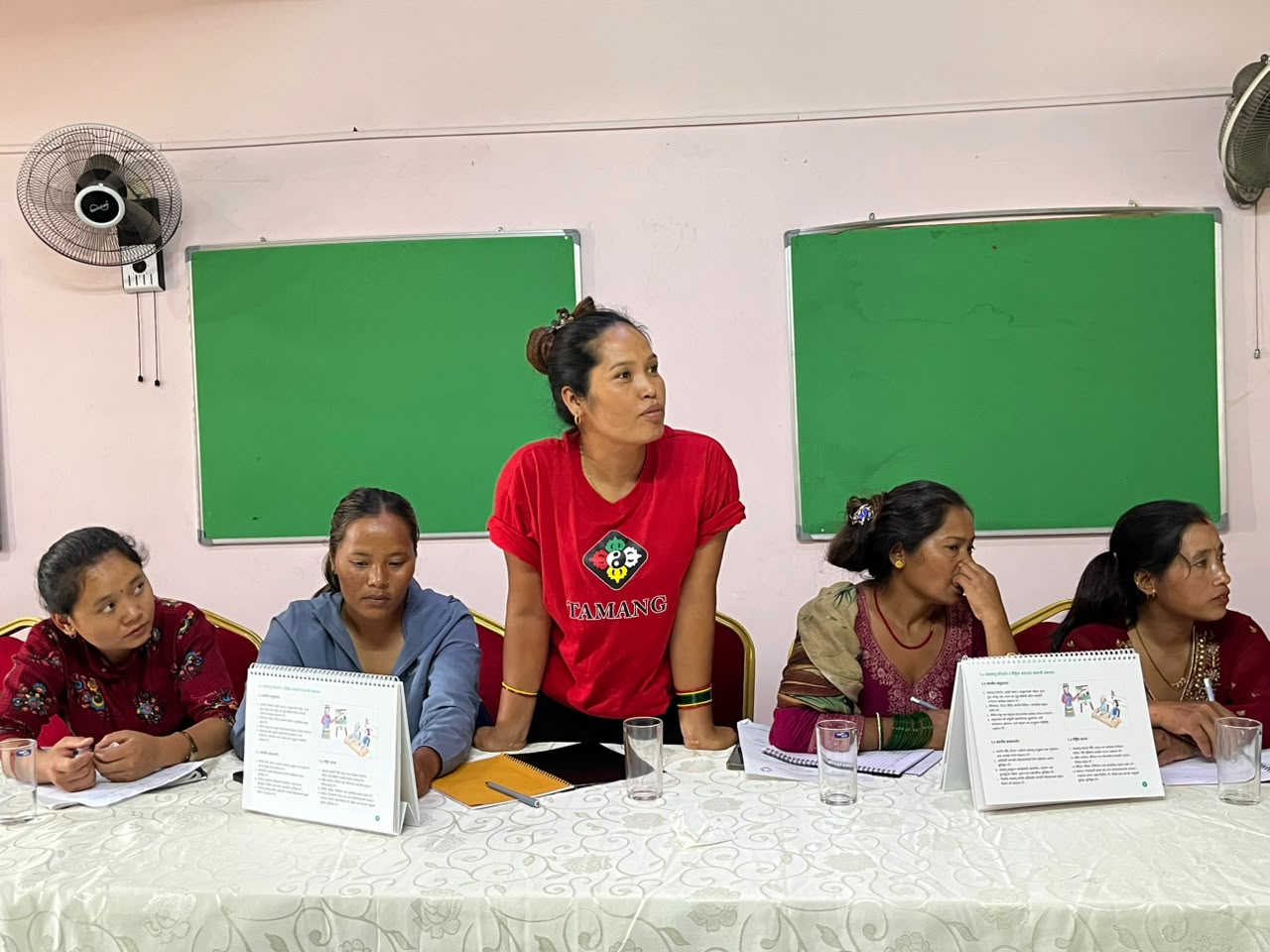
The revised flipchart
covers gender equality and climate change, with a particular focus on
Indigenous Peoples' knowledge, experiences, and vulnerabilities, as well as the
gender-differentiated impacts of climate change. It serves as a practical
resource to strengthen the capacity of Indigenous Women's Group (IWG) leaders
to facilitate community awareness and advocate for gender-responsive climate
action.
The orientation also
examined the disproportionate impacts of climate change on Indigenous women,
particularly women farmers, including increased workloads, mental health
challenges, crop diseases that threaten livelihoods and food security, and the
depletion of water sources, which compels women to travel longer distances to
collect water. These discussions strengthened participants' understanding of
gendered climate impacts and enhanced their capacity to advocate for
gender-responsive climate adaptation and resilience within their communities.
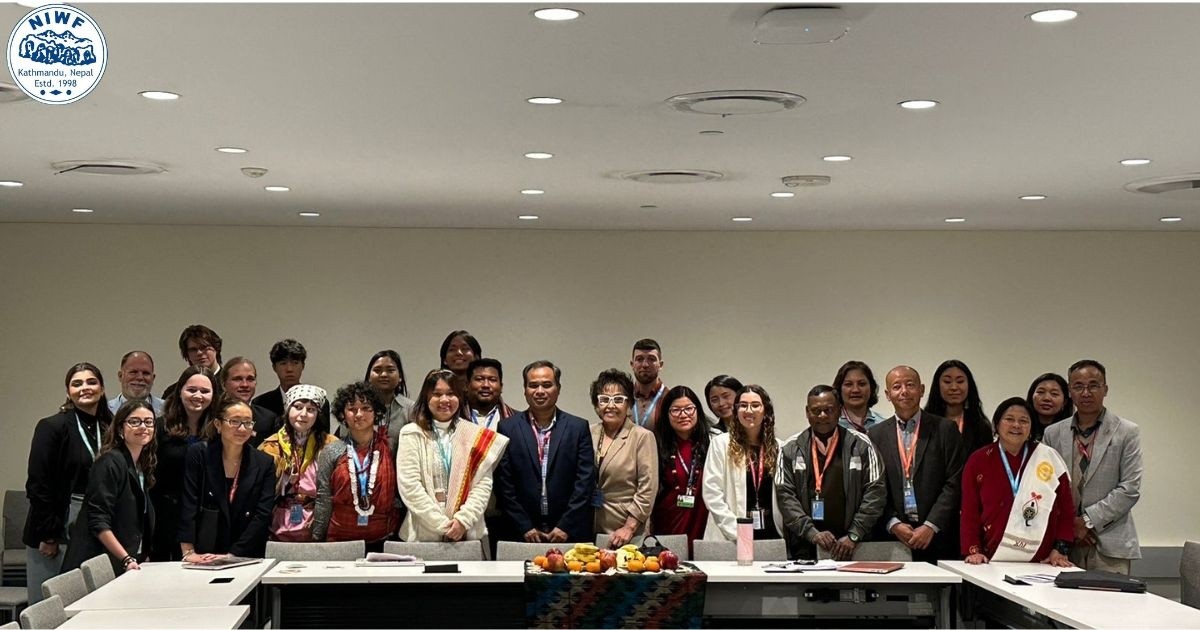
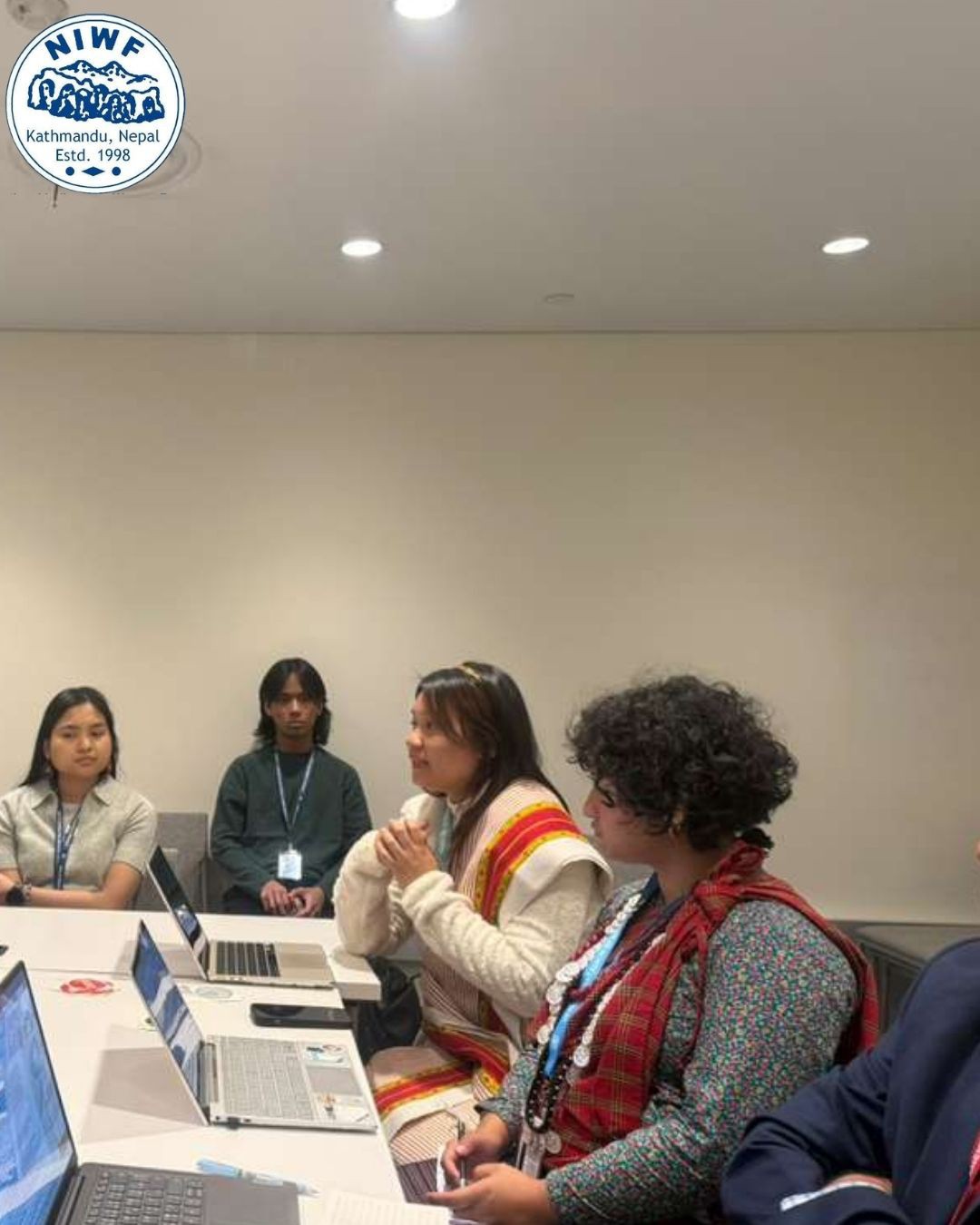




 Overall, the meeting served as a significant platform for reflection, learning, and strategic planning, reaffirming the value of the UPR as an advocacy tool for amplifying Indigenous voices and advancing inclusive, rights-based policies in Nepal.