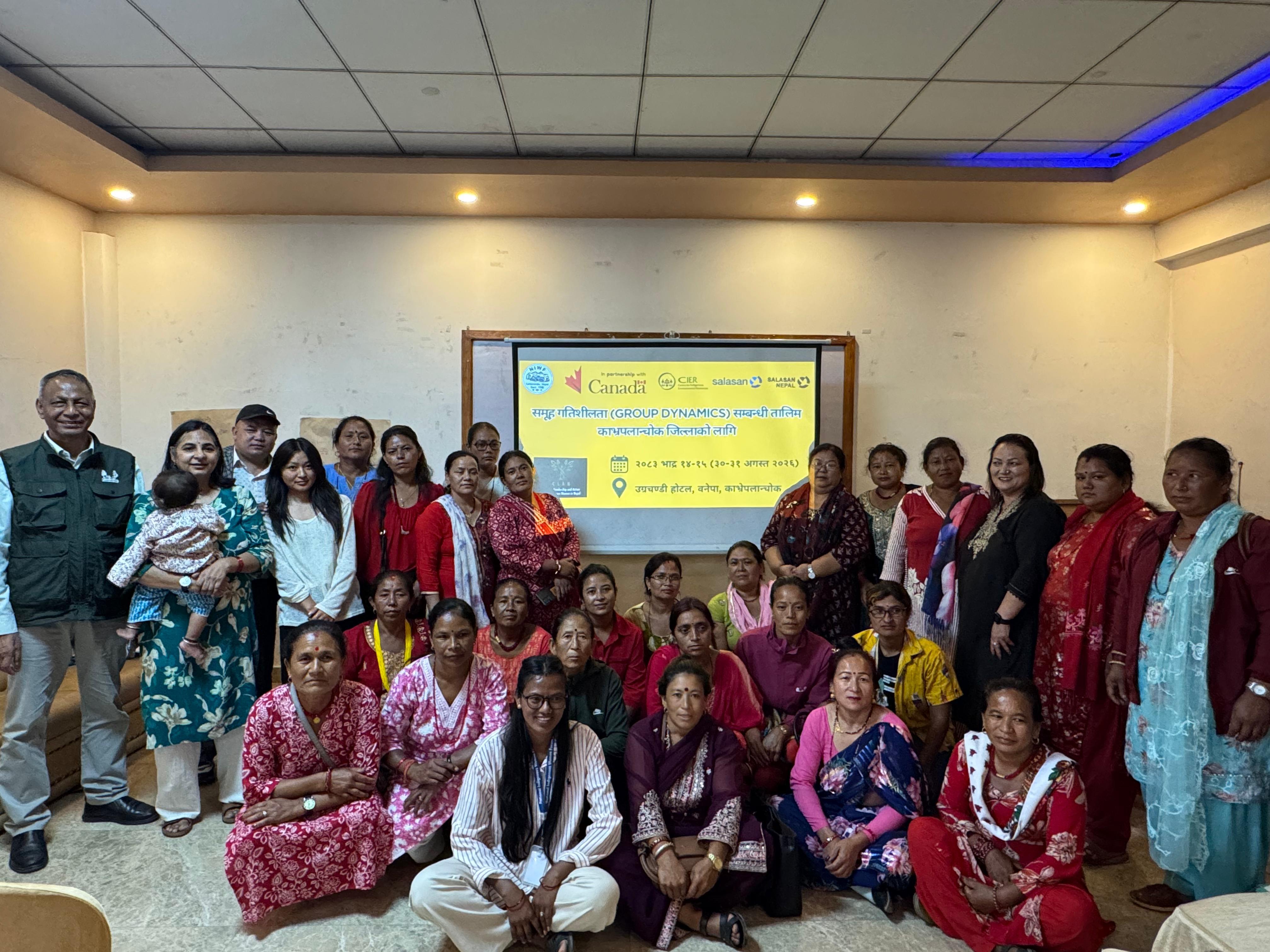
On 30 August 2026, SALASAN Nepal, in partnership with the National Indigenous Women Forum (NIWF), organized a Group Dynamics Training for Indigenous Women Climate Leaders from Bhumlu and Chaurideurali Rural Municipalities of Kavrepalanchok District. The training was held in Banepa as part of efforts to strengthen the leadership, collaboration, and collective action capacities of Indigenous women working on climate adaptation and Gender Equality issues.
The training focused on the importance of effective group dynamics in strengthening Indigenous Peoples’ climate groups and building inclusive, participatory, and resilient movements. Participants explored how effective communication, inclusive decision-making, constructive management of differences, and equitable sharing of roles and responsibilities can strengthen group cohesion, leadership, effectiveness, and sustainability.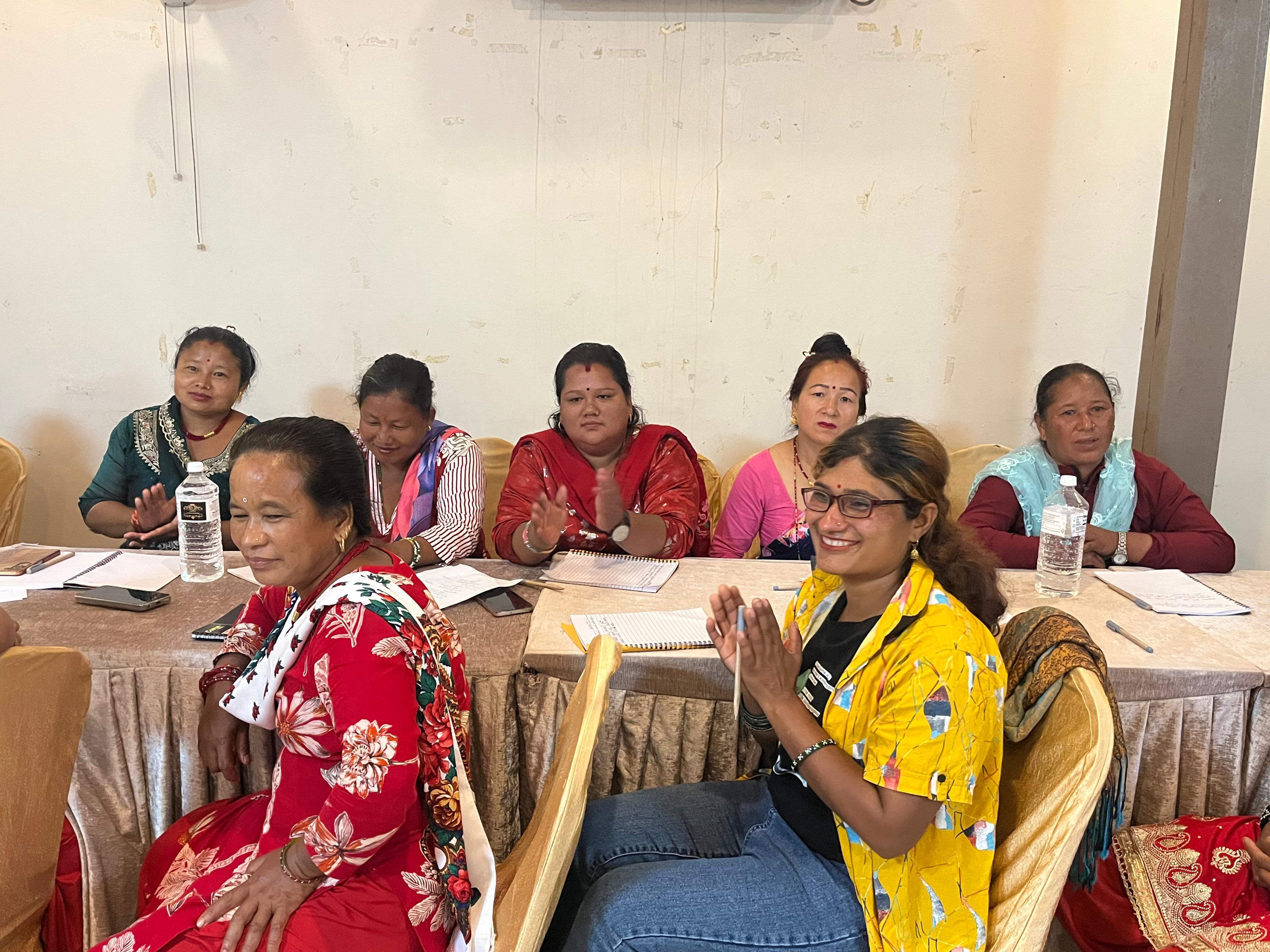
The sessions also highlighted the importance of gender equality, meaningful participation, and respect for diverse voices, particularly ensuring that women, youth, and other often-underrepresented members have opportunities to contribute to decision-making and leadership. Through interactive discussions, practical exercises, and peer learning, participants reflected on their own experiences of working in groups, identified challenges and opportunities, and explored practical approaches to building trust, solidarity, shared leadership, mutual support, and collective action for climate justice and the protection of Indigenous Peoples’ rights.
Key areas covered during the training included recognizing the signs of strong and weak group dynamics, enabling IWG leaders to better understand the factors that can strengthen or undermine collective action. Participants examined challenges such as poor communication, exclusion, unequal participation, unresolved conflicts, and lack of trust as indicators of weak group dynamics.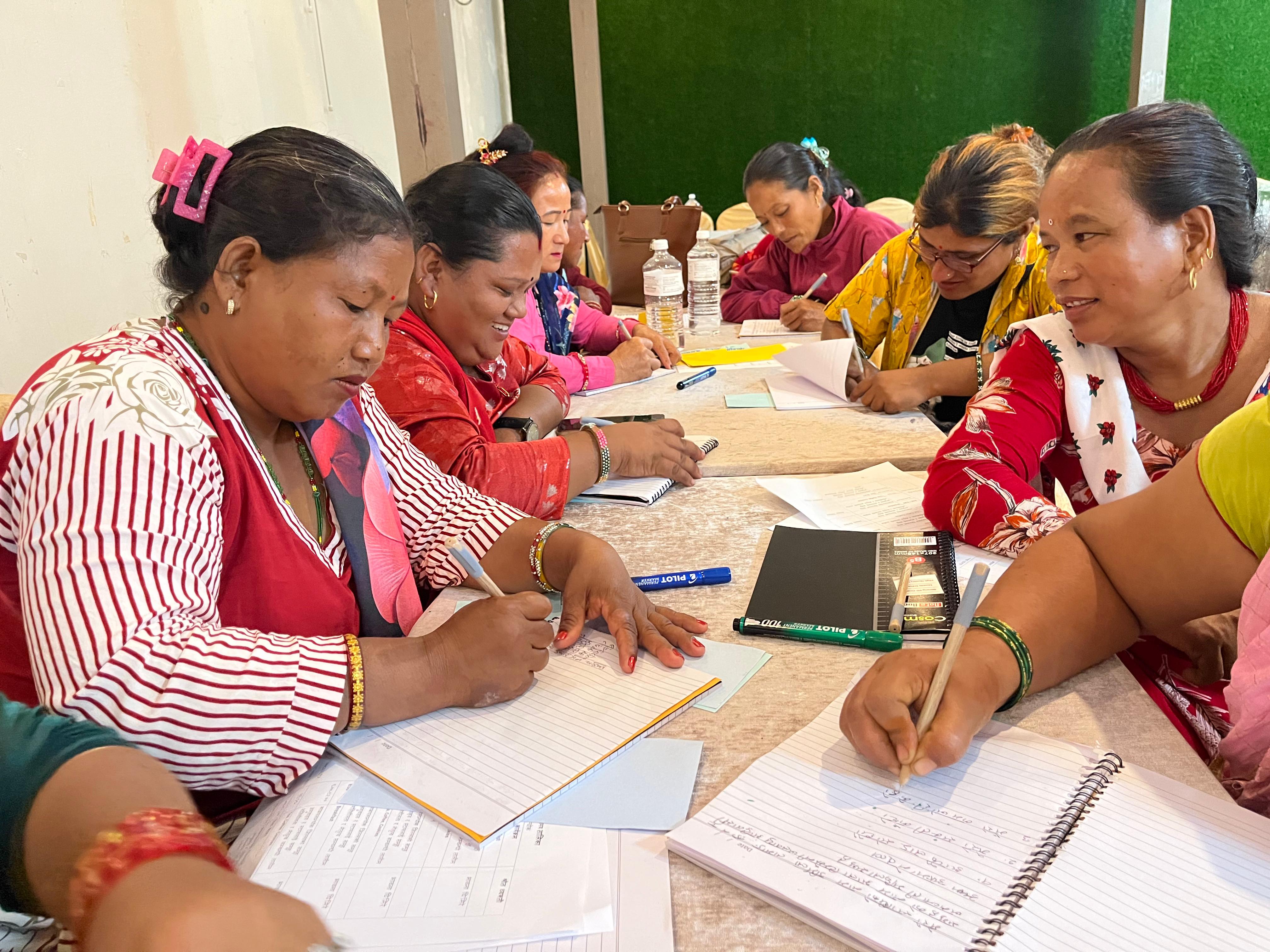
At the same time, participants explored the key characteristics of strong, inclusive, and effective groups, including open and respectful communication, mutual trust, shared responsibility, equitable participation, constructive conflict management, and a shared vision. The discussion emphasized that these elements are essential for building cohesive, empowered, and resilient IP climate groups capable of meaningful and sustained collective action.
The session also explored the qualities and practices of effective and ineffective leadership. Participants reflected on leadership approaches that promote meaningful participation, inclusion, and empowerment, as well as those that may contribute to dependency, exclusion, unequal decision-making, or conflict within a group.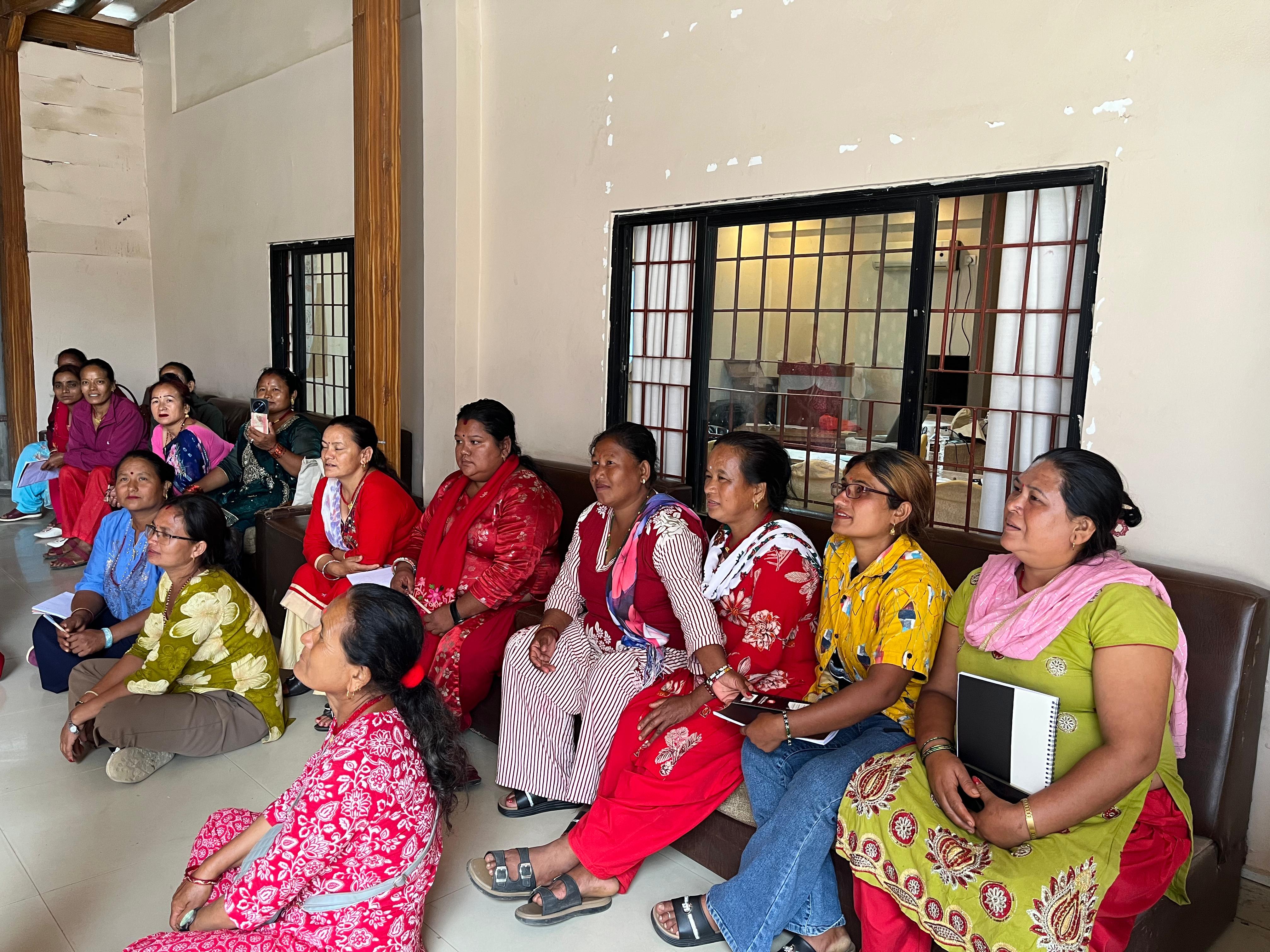
The discussion emphasized that effective leadership is not about authority or control, but about enabling others to participate, contribute, and lead. Participants highlighted the importance of active listening, facilitation, empathy, motivation, trust-building, accountability, and creating opportunities for diverse voices—particularly women, youth, and other underrepresented members—to influence decisions and take on leadership roles. This approach supports stronger, more democratic, and resilient IP climate groups.
A key component of the training was democratic leadership, with particular attention to inclusive decision-making. Participants discussed how leaders can ensure that different voices are heard and that decisions are made through consultation, transparency, participation, and mutual respect. The session emphasized that effective leadership is not simply about taking charge, but about creating opportunities for others to contribute, share their perspectives, and take ownership of collective decisions. 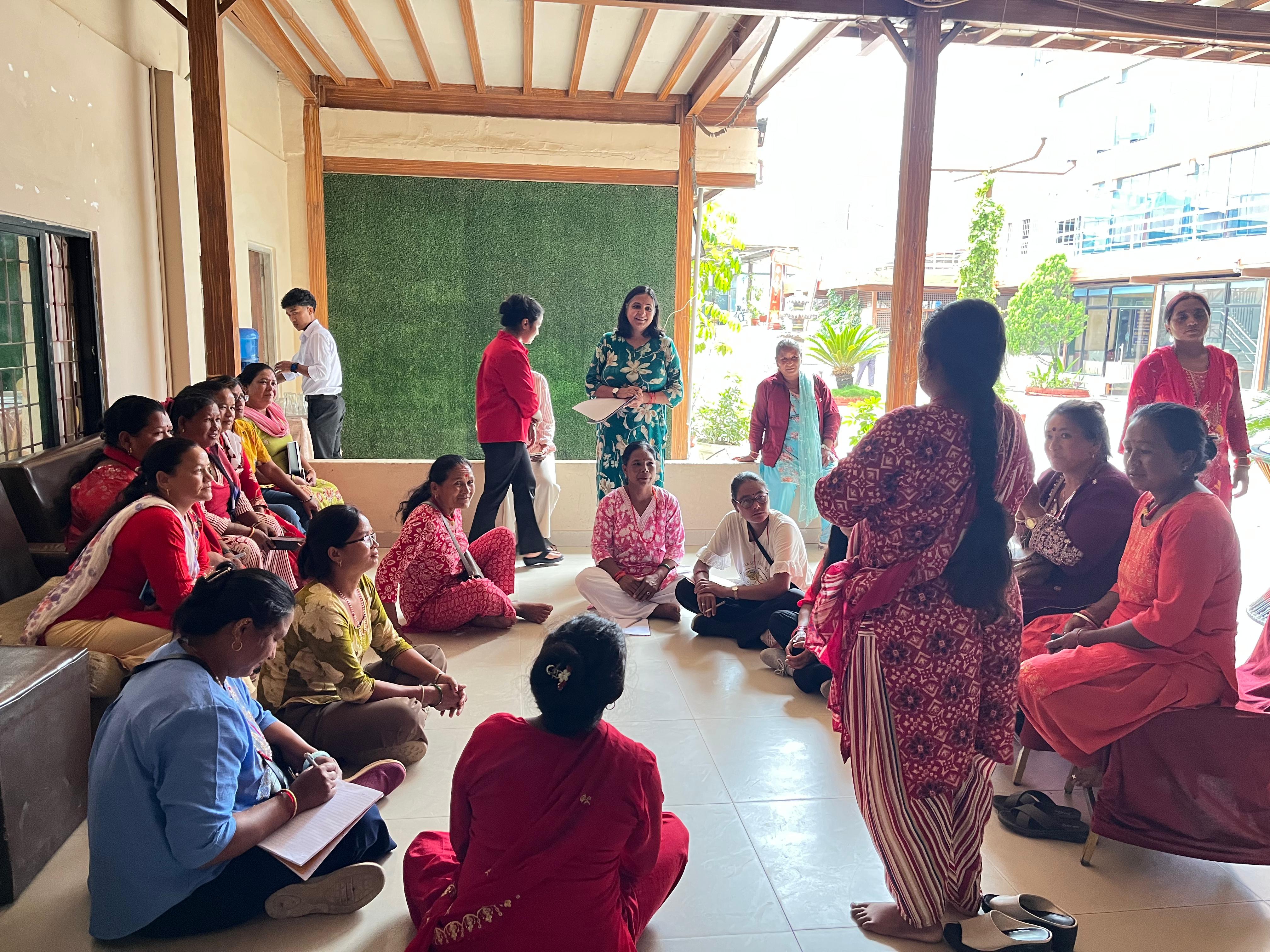
The training provided Indigenous women climate leaders with an opportunity to learn from one another, share their experiences, and strengthen their understanding of collective leadership. By developing stronger group dynamics and practicing democratic leadership, the participants are better positioned to mobilize their communities, collaborate effectively, and contribute to locally grounded and inclusive responses to climate change.
The initiative reflects the shared commitment of SALASAN Nepal and NIWF to strengthening the leadership and agency of Indigenous women and supporting them as active leaders in climate action and community development. Building the capacity of Indigenous women leaders is essential for ensuring that climate responses are inclusive, participatory, and grounded in the realities and knowledge of Indigenous communities.