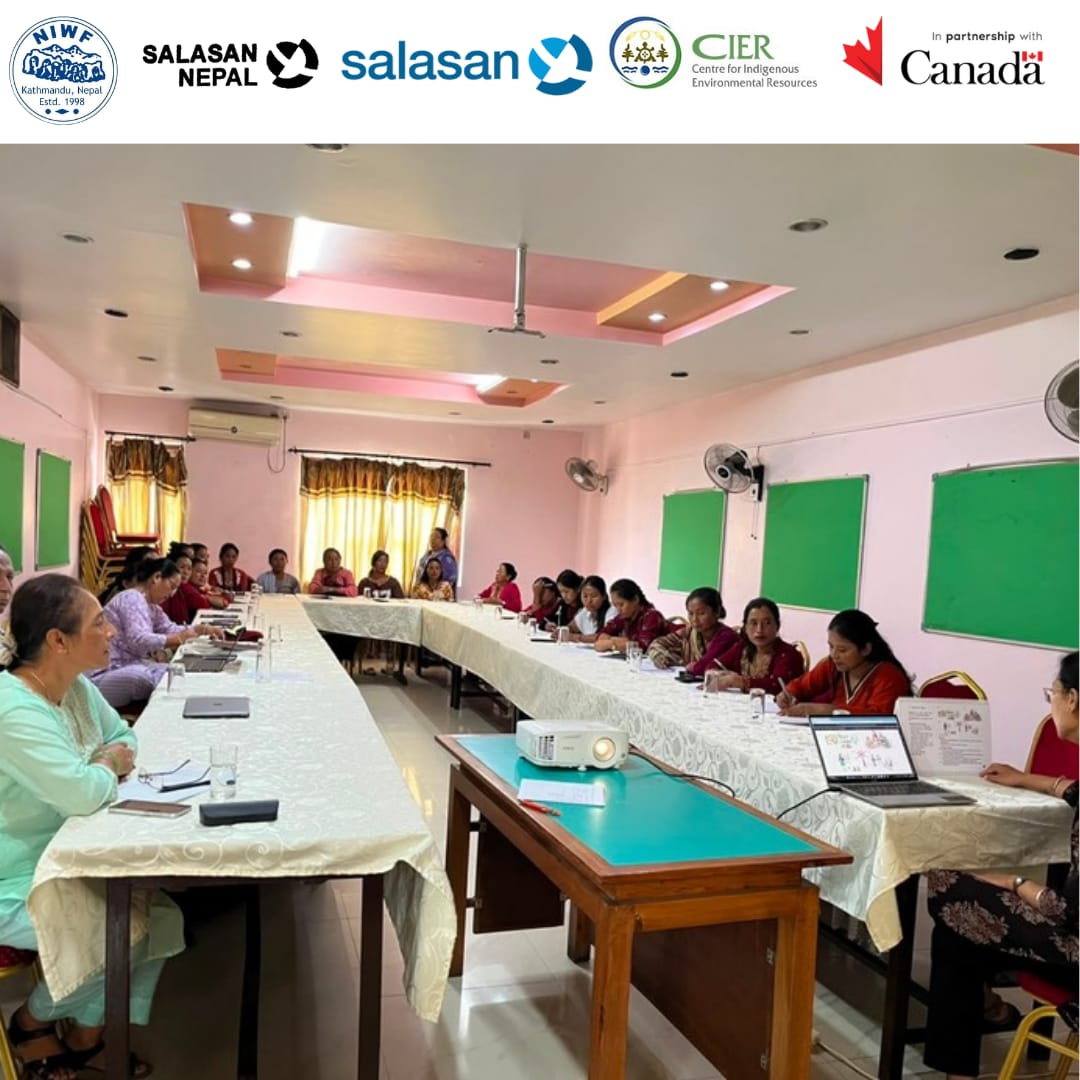
On 20 July 2026, for
Indigenous women climate leaders (IWG ) from Balephi and Indrawati Rural
Municipalities in Sindhupalchowk District. Facilitated by climate change
consultant Ms. Banu Shrestha, the training brought together 24 representatives
from 12 Indigenous women climate groups. The event enhanced participants'
knowledge of climate change and strengthened their capacity to facilitate
community awareness using the revised flipchart.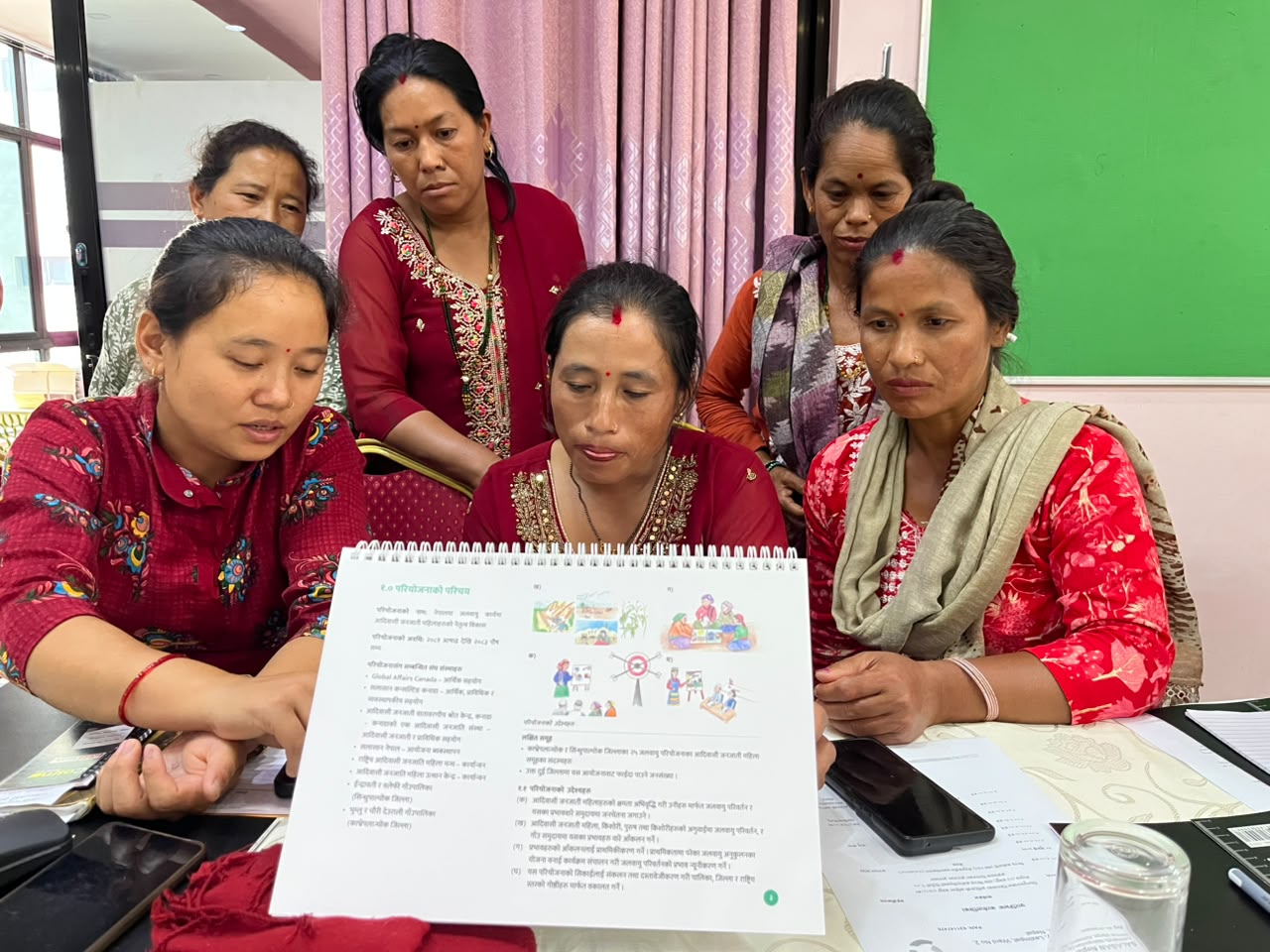
The revised flipchart is
designed to strengthen the capacity of Indigenous Women's Group (IWG) leaders
to effectively facilitate community learning and advocate for gender equality
and climate resilience within their communities.
Orientation
on the revised flipchart and the interactive sessions strengthened participants'
knowledge of climate change, its impacts, and practical adaptation and
mitigation measures. 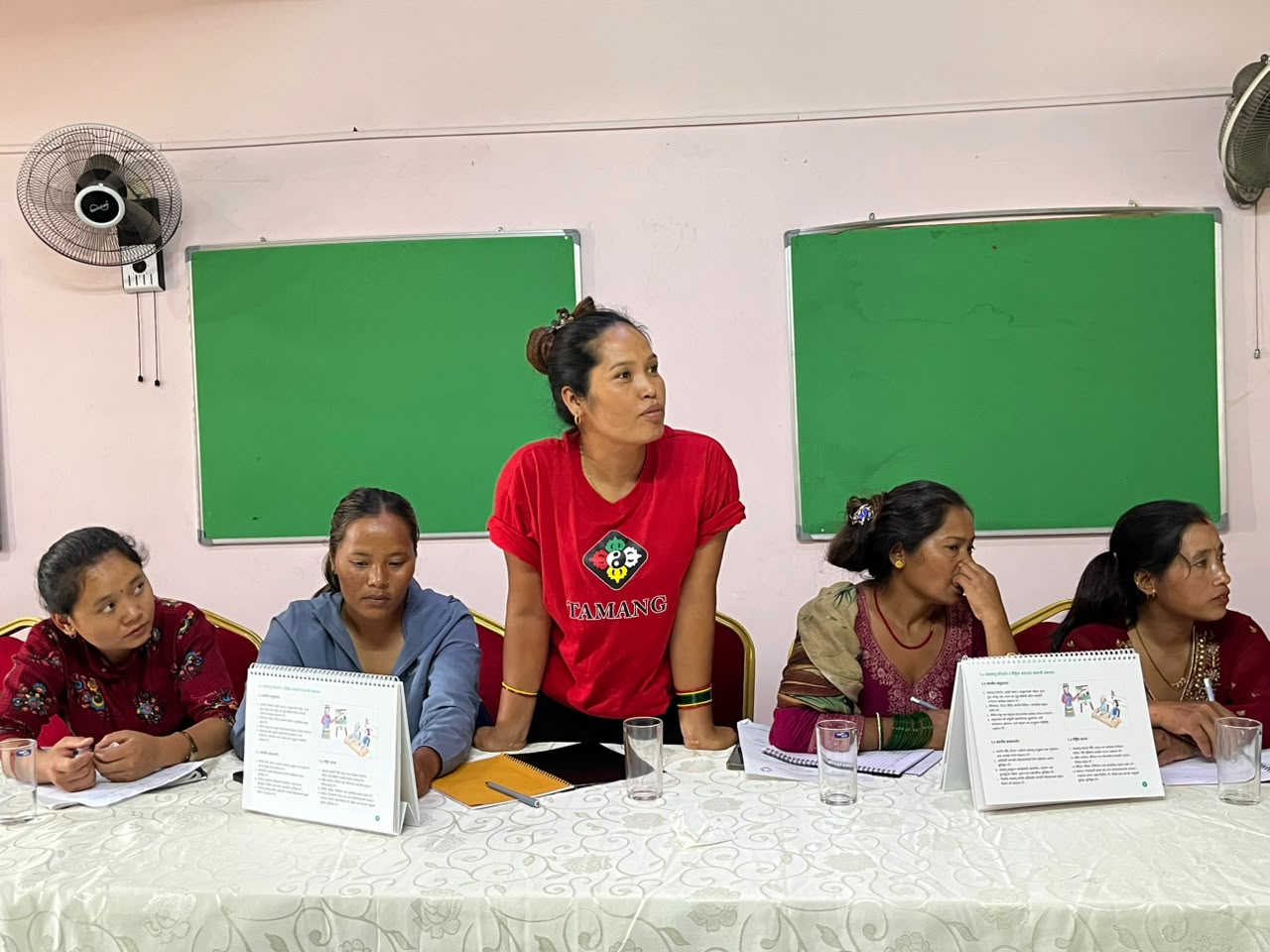
The revised flipchart
covers gender equality and climate change, with a particular focus on
Indigenous Peoples' knowledge, experiences, and vulnerabilities, as well as the
gender-differentiated impacts of climate change. It serves as a practical
resource to strengthen the capacity of Indigenous Women's Group (IWG) leaders
to facilitate community awareness and advocate for gender-responsive climate
action.
The orientation also
examined the disproportionate impacts of climate change on Indigenous women,
particularly women farmers, including increased workloads, mental health
challenges, crop diseases that threaten livelihoods and food security, and the
depletion of water sources, which compels women to travel longer distances to
collect water. These discussions strengthened participants' understanding of
gendered climate impacts and enhanced their capacity to advocate for
gender-responsive climate adaptation and resilience within their communities.